
Spiritual Ecology and the Ethics of AI with Philosopher Madelaine Ley
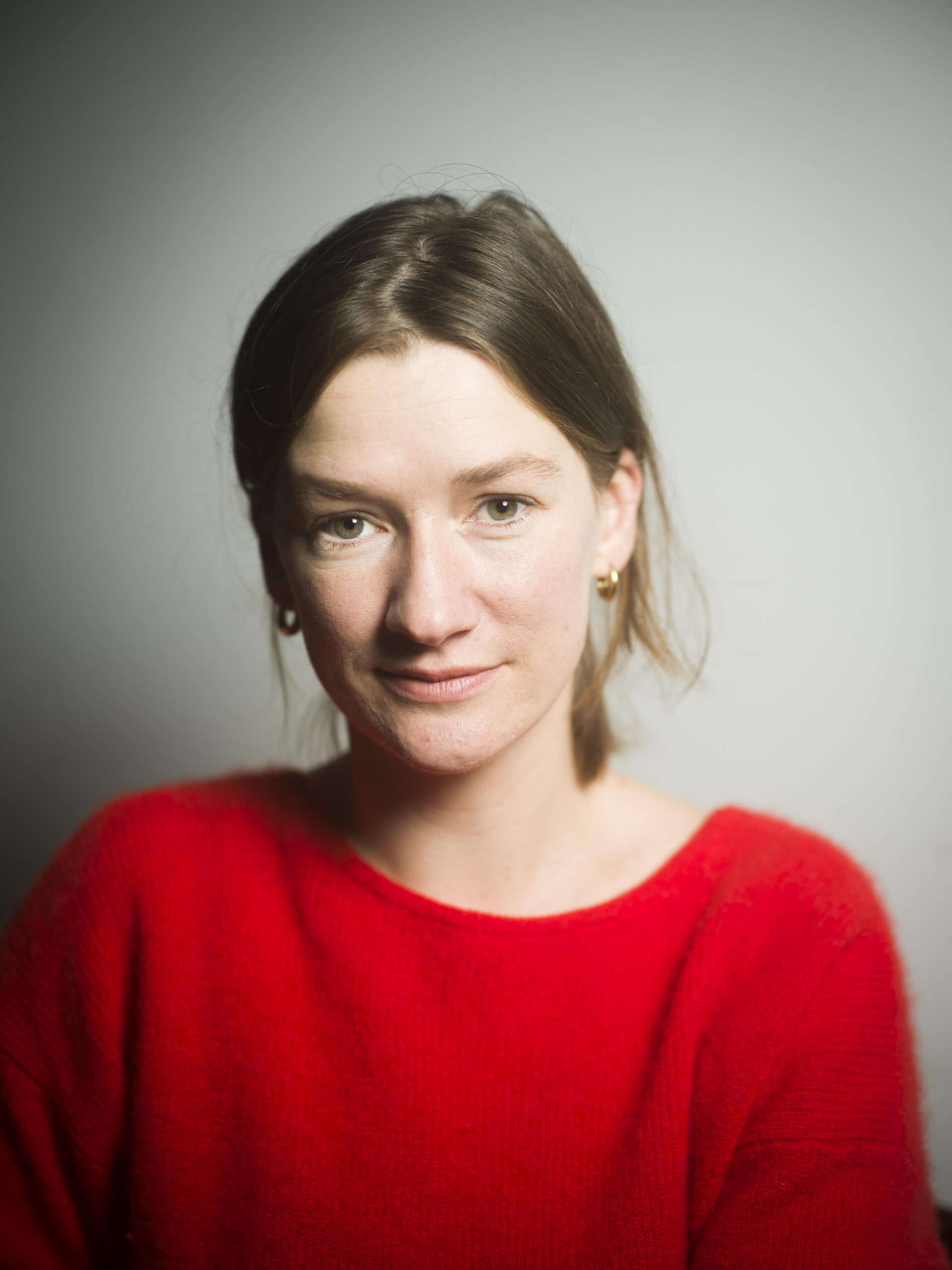
Dr. Madelaine Ley takes a polymathic approach to technology ethics, emphasizing the relational and planetary aspects of robotics and AI. She worked for 6 years as a philosopher in a robotics lab, exploring how postures of care might be woven into global supply chains. She was named one of the “100 Brilliant Women in AI Ethics”, and has had work published in top philosophy of technology journals, as well as featured on the BBC, NRC, and Yes! Magazine. In 2026 she launched WaySeeing Ethics, a consultancy specializing in experiential AI and robot ethics, while also working on her first non-academic book, I Can’t Believe I’m Writing About Robots, and hosting the podcast, STIRRINGS.
On today’s episode of Honing In, we’re asking a big question: how can our society address the rapid growth of AI technologies in a way that feels ethically intact? Philosopher of technology, Dr. Madelaine Ley, suggests an explorative approach that invites us to slow down, reflect, and feel, not just to moralize or optimize.
Madelaine guides us through how her motivations and interests have developed since pursuing a PhD in Care in Responsible Technology. We also explore Spiritual Ecology as a way to connect with the earth, question the ethics of technological advancement, and become sensitive to the many options available to us about how we choose to engage.
If you’re curious about the robot in your local grocery store or have been wondering what sits at the intersection of technology and integrity, this conversation is for you.
Together, we hone in on:
- Philosophy as a generous, curious, and explorative practice
- How we feel about the emergence of robots in our everyday lives
- What Spiritual Ecology is and the perspective it offers about the morals of technology
- Starting points for challenging our perspectives about technology and AI
- Contemplative art and making space and time for reflection
- Gestures: Madelaine’s upcoming project that explores ethics beyond morality
More from Madelaine:
- Madelaine’s personal website
- WaySeeing Ethics Consultancy
- STIRRINGS (newsletter and podcast)
- Madelaine’s LinkedIn
- Madelaine in the Weaving New Narratives Film
More from Kate:
⭐ Productivity Coaching with Dr. Kate Henry
💌 Sign up for Kate’s free newsletter
📚 Download Kate’s free Sustainable Productivity Planner
Podcast editing and support by Softer Sounds Studio.
Theme song by Melissa Kaitlyn Carter.
Transcript
Kate Henry [00:00:52]:
Hi, everyone. Welcome back to Honing in. I am Dr. Kate Henry, and today I am interviewing Dr. Madeline Ley, who takes a polymathic approach to technology ethics, emphasizing the relational and planetary aspects of robotics and AI. She worked for six years as a philosopher in a robotics lab, exploring how postures of care might be woven into global supply chains. She was named one of 100 Brilliant Women in AI Ethics and has had work published in top philosophy of technology journals, as well as featured on the BBC, NRC, and yes magazine. In 2026, she launched WaySeeing Ethics, a consultancy specializing in experiential AI and robot ethics, while also working on her first nonacademic book, I can’t Believe I’m writing about robots and hosting the podcast Stirrings.
Kate Henry [00:01:55]:
I was telling you before we recorded, Madeline, that since I met you, you know, a couple or a few months ago, I’m like, whoa, you’ve been busy. There’s so much here. How does it feel to. To hear me read out all those things?
Madelaine Ley [00:02:08]:
It feels good. I’m like, oh, who wrote that?
Kate Henry [00:02:10]:
But it was me.
Madelaine Ley [00:02:12]:
There are a lot of. A lot of pieces in there, but they’re all serving the same sort of ideas, just in different forms.
Kate Henry [00:02:20]:
Yeah, I was excited when I was preparing for today’s episode because, and as folks will see the way that I’ve structured the questions today, that you really have a rich array of offerings and these distinct roles that you play. You’re philosopher of technology, spiritual ecologists, contemplative artists, and these are all distinct things, but all things that you are doing. And as we can see from your bio, you’re also like, producing this amazing. It’s not content, but like sharing and teaching folks and in really beautiful ways. Like, I found that with the Stirrings podcast. So before we get into these three keystones that I see in your work, I’d like to start out by asking you how you feel about the concept of a project. Is it a helpful framework for you or is there another word that you use when you think about your personal or creative or professional endeavors?
Madelaine Ley [00:03:14]:
There’s something I come back to pretty often, which was when a friend of mine, he was playing music on a front porch and his eyes were closed in the sunshine. It’s this really beautiful artistic moment. And he said, music is love. In one of its many trappings. And that’s sort of how I think I approached my work, which is that I’m a philosopher. And I just started finally saying to people when they say, what do you do? I’m a philosopher. It’s just what I am. And so I think I have philosophy in its many trappings.
Madelaine Ley [00:03:53]:
And philosophy to me can mean many things, but for me is like this really generous curiosity, questioning. Not, like trying to get to the bottom of things, but it’s like an explorative kind of energy to it. And so to me, well, I’ve gone through and done a whole PhD in philosophy, but to me, I was always disappointed by how it stayed in this sort of logical argumentation and journal articles and these conferences in airless rooms without sunshine and bad sandwiches. It’s like, this is not inspiring. So I can do that, and I have done that. But philosophy, to me can come up in so many different projects. So to me, I love a project because it has a beginning and an end. End is super cool for me because I have no shortage of ideas.
Madelaine Ley [00:04:46]:
So beginnings and endings are great middles. Yeah, it’s fine. It has to be done. And so I like a project like a philosophy project is. There’s a book and there’s an end. That is there. There’s a podcast, but I don’t have an endless podcast. I have a season, and I’m planning the next season now.
Madelaine Ley [00:05:03]:
And it’s a season, and it’s from this month to this month. And so I like projects. However, as somebody who’s also trained in the history of science and history of technology, I’m worried about the word projects, because all the reasons I kind of just explained about how it contains things is what also makes me worried when we apply the concept of projects in places where it should not be right. Like treating your child’s rearing like a project. Your kid is not your project. We don’t want to go down that road. Climate change is not a project, and your project is not going to fix climate change. It is a moving, like, ecological enormity that is shifting all the time.
Madelaine Ley [00:05:57]:
We can have projects within it, but a project is not going to solve it or fix it. And we might think of this with health, like our health. We make our. Our health a project with all the tracking devices and all these ways that we go in and, like, hard on our body as a project. I don’t think that your health should
Kate Henry [00:06:18]:
be a project either.
Madelaine Ley [00:06:19]:
So I like it for its usefulness. And I’m Wary when it’s something we put where it shouldn’t go.
Kate Henry [00:06:25]:
Oh, I love this conversation already. This is so fun to talk to you about this and just hear these things through your brain. Hearing that makes me think about how, like, I wonder if projects are a way for folks to potentially, like, feel a sense of control in situations where we don’t have control. And like, it also makes me think too, of, like, my time in academia. Like, a project was a way for me to be like, I did the thing, I’m doing good, I’m doing the right thing. You know, like, there’s just some sense of like, security or grounding or comfort or safety or something that comes from a project.
Madelaine Ley [00:07:04]:
Yeah, I think it’s. I think projects are useful and as I said, I do make use of them in a way of harnessing my own creativity of having some clear boundaries on it, but then also always knowing it doesn’t. Those boundaries, I, I made them up. They’re not, they’re not real in that they’re not static or set. I’ve used them for a time and they won’t continue after this time. And so I did a PhD at an engineering school as a philosopher is quite unusual and fascinating because I got to understand a little bit more about an engineering mindset surrounded by engineers and project engineers, love projects, really into projects. And not to say that’s inherently just a bad thing, but what happens is, is that when we look at these global crises that we’re all feeling ecological crisis, political crisis, you know, et cetera, et cetera, then we think, oh, let’s get this project going. And it gives us, as you say, in this time of total overwhelm, which is an appropriate response.
Madelaine Ley [00:08:11]:
It gives us a sense of control and something we can latch onto. But let’s not get, don’t get it twisted. This is not. You can’t fix it all the time with a project.
Kate Henry [00:08:22]:
This is such a good transition to the next question I wanted to ask you because when you and I chatted before, like, I shared my concerns. And I mean, I guess concern is a good word. Like thoughts about AI, which, like, in my life it’s quite easy to be like, nope, no AI. I just never use AI. I work for myself. I don’t have to. No one can make me. But it also, like, my thinking on AI has been shifting a little bit.
Kate Henry [00:08:48]:
Like, thinking about, like, moralizing and like, I often think of this through, like, the slow living lens, like how we may think. Like, I individually, like, must compost or must use the right products or must do this so I can save the environment when like tons of oil are being dumped by corporations into places. Right. So like, what is the onus and like the moral imperative of me as an individual and how I take that in? And I’m in my mind thinking about this with AI. So let’s transition and talk a little bit about your work. And I love the language you use to talk about your journey. You shared that what started out as a tame ethics dissertation on responsible robotics in retail and ended up radically questioning the motivations behind modern technology and calling for care to be infused in robot design, which is just such like, so cool. I knew when I read that, I was like, yes, I don’t know what this means, but I’m into it.
Kate Henry [00:09:53]:
Like we. So I’d love if you could talk us through like your experience while in graduate school. You just touched on it a bit. But how your motivations and interests have developed since that PhD in your current work that you’re doing. This may be work through scholarship or work through your book or like, maybe, you know, I’ll, I’ll leave this open for you, but I’d love to hear about the journey that you’ve gone on with that.
Madelaine Ley [00:10:21]:
I really started off my PhD trying to be a good girl. I really, I did. And what happened was the structure, which is more common in academia these days, and some of your listeners might have experienced this as well, is that it was industry funded. So my PhD was a larger project that I was a philosopher and supposed to be doing this research on responsible technology. Everybody else was engineer, a roboticist. The industry partner wanted to know how could we have robots working in grocery stores? So I thought, okay, interesting enough because there’s food, there’s people, like, I’m into it, let’s do it. So what I did at first was that I would go to the meetings, I go to the robotics lab and I would listen. And I was wanting to be useful.
Madelaine Ley [00:11:13]:
Philosophers have like maybe a bit of a chip on their shoulder with all this sort of the last decades of stem, like promotion. And you’re like, you’re like just trying to be part of the club, also try to get the funding. The funding pressure is real. And so you’re trying to like be useful and like to prove yourself. And a lot can get lost in that, a lot from the humanities and even the social sciences as well. So we don’t always work in what an engineer would deem as useful. So for the first two years, what I was trying to do Is very common in technology ethics is to say, like, okay, what if we design the robot like this? What if we implement the robot like this? We can tinker around with it and then it will be nicer for people to work with. Customers won’t refuse it and, like, kick it and everything will be great.
Madelaine Ley [00:12:06]:
It was a real. That was like very project like solutionism kind of thing. Like, we just tinker around with the design and then we’ll end up all being aligned and everybody will be happy. Then I had my first child. And there is a unique time after childbirth and caring for newborns and when you’re spending hours in the dark walking and taking care of a child and feeding them from your breast. And the bullshit of adults is so like, you have your sensitivity to that is so high. Like, you. You cannot take it.
Madelaine Ley [00:12:49]:
You’re like, just shush. And so that’s what happened. Is in the Netherlands, where I did my PhD. You only have. I was back at work four months later. And when I got back to work, I just was looking around and thinking, like, this is silly what we’re doing here. Like, why? What I had done was. I had assumed that the technology, because it had so much funding, that it would exist.
Madelaine Ley [00:13:10]:
But I had forgotten the first step a philosopher should always ask, which is like, should it exist? Why do we have these things? I’d skipped way ahead and thought, well, it’s already going to happen, so let me help. But the fundamentals were missing. So I was really nervous. I had like a really classic PhD meltdown. My supervisor said, you know, just on time, halfway through, really normal. We’re not surprised at all. And they were really great. Like, I’m forever grateful to them.
Madelaine Ley [00:13:43]:
And they said, okay, like. And they said to me, don’t censor yourself. Because I was nervous about this industry partnership. Like, would they be upset? And blah, blah, blah. And what happened was, is when I went to the robotics lab and I told them, I think we need to be asking deeper questions. I don’t even know if this project is worth putting any more money in at a moral level. And they actually ended up respecting me more for making a stance. They did not change their business model.
Madelaine Ley [00:14:13]:
It’s like, it was almost like a little pat on the head. They’re like, okay, well, you can keep doing that. But we don’t really.
Kate Henry [00:14:21]:
Let’s say you finished. What? How many more years do you have left?
Madelaine Ley [00:14:24]:
Exactly.
Kate Henry [00:14:24]:
Yeah, yeah.
Madelaine Ley [00:14:25]:
They’re like, okay, so, you know, I had some freedom there. And in the end, I said, I don’t think we should put a cent more into. And I said it explicitly in my dissertation, I don’t think we should put a cent more in this. I don’t think it will lead to anything more caring, more beautiful in the world, which is what we should be striving towards. That was pretty hardcore. And I’ll just end this long story of an answer to say that now as I sense this with you a little bit too, is what you said earlier is that I have a little more spaciousness. I was a little bit hardcore and an absolute refusal. And it’s not that I’m.
Madelaine Ley [00:15:03]:
I still don’t think we should put any more money into robots in grocery stores. And I think that leads to, like, even more disconnection with our food and with the people around us. However, I’m interested in different kinds of conversations around technology that doesn’t just fit into risks and benefits, into pros and cons, into yes and no, black and white. When we go into those kind of modes of thinking, we’re only upholding the binaries that hoping to soften. And so I’m trying to get a little bit lighter, a little bit more curious, a little bit more playful, and see what happens with that in my work.
Kate Henry [00:15:39]:
While you were talking, I literally wrote a note in was like, the robot in the grocery store. Like, there is a robot in our grocery store that, like, there’s a sign on it that’s like, whatever name they gave him, Gary or whatever. Gary is here to make sure there’s no spills and someone put big googly eyes on it.
Madelaine Ley [00:15:55]:
And it follows.
Kate Henry [00:15:56]:
It pisses me off. Like, it follows me around. It’s taller than me, it’s menacing. And I’m like, I’m not stealing these tortilla chips. Why are you following me? And also, like, ew, Are you looking at what I’m buying? How do you, like, what biometric data is this? Like, what is the purpose of this? But it’s, like, so ominously large that I just, like, when it comes, I just, like, get angry and walk away. Just, like, on principle. Right. But it’s just wild that there’s, like, freaking huge googly eyes on it.
Madelaine Ley [00:16:24]:
Okay, so this robot is called Marty.
Kate Henry [00:16:27]:
Sorry, not Gary. It’s Marty.
Madelaine Ley [00:16:29]:
It’s Marty. I know about Marty because the company that funded me was. This is their shop. I pretty sure it’s a Dutch retail company, but they have some stores in the States. Marty is an interesting example. So he originally didn’t have googly eyes. And the employees, it was just because they were like, we don’t want anthropomorphize. It’s a robot, not a creature.
Madelaine Ley [00:16:51]:
Let’s just keep that clear. But then it was, as you say, very tall and moving around. And humans, once we have movement and we sense movement, we sense aliveness, we can’t help it. It’s part of our evolutionary way of moving around in the world and keeping ourselves safe, et cetera. So the employees went to the craft store and put googly eyes because they were like, this guy’s like, this robot is freaking us out. And so Marty’s in my dissertation because it’s a very interesting example of, like, employees taking things into their own hands. But then. But then maybe it’s weirder.
Madelaine Ley [00:17:25]:
And. Yeah. So that’s a famous robot.
Kate Henry [00:17:28]:
Oh, my gosh. Well, I didn’t know I was meeting a celebrity when I went to the local stop and shop, but, yes, exactly.
Madelaine Ley [00:17:34]:
This is somebody also hearing this, too.
Kate Henry [00:17:35]:
Like, a few years ago, I bought my spouse. They’re really into making craft cocktails and stuff, and I bought them a machine that makes, like, clear ice and makes it quickly and we put googly eyes on it. So my ice machine downstairs, I’m like, oh, the cute little ice machine with its eyeballs. So that feels very, very different than me being in a public space where I’m like, I didn’t consent to this weird, campy, like, thing that makes me angry. Whoa, that’s so cool. I’m glad I asked you about that. So I’m curious, like, what. How does this factor into your thinking now? Like, you.
Kate Henry [00:18:10]:
You said, like, you’re working on this book. I can’t believe I’m writing about robots, which is such a good title. And, like, we’re also in this time where there’s, like, constantly shifting an evolving landscape around AI and robots. So I’m curious, like, I imagine your thinking is also shifting and growing and developing. Right. But I’d love to hear a bit about, like, where are you at right now? What are the kinds of things you’re thinking about as a scholar?
Madelaine Ley [00:18:36]:
The title, which I hope stays, but we’ll see. I can’t believe I’m writing about robots is because I moved back to Canada. I live in the house that I grew up in with my parents and my kids and my husband. And we, like, have bees. We’re getting chickens in a couple weeks. We grow a lot of our own food. There’s so much in my life that is a re.
Kate Henry [00:19:01]:
A refusal.
Madelaine Ley [00:19:03]:
I totally freaked out the Gen Z, like, cashier the other day when I was really adamant that I was not going to give her my email, she was like, okay, but what about your phone number?
Kate Henry [00:19:13]:
I was like, you’re like, that’s worse somehow.
Madelaine Ley [00:19:16]:
I was like, can you just print me a receipt? And we couldn’t figure out how to get the. The printer to work. So a lot of my life is actually like a friction because of just trying to opt out. So another titled book might have been like Misadventures in Opting Out. But here’s the thing. When I moved here when I was a child, the night was dark and loud with creatures. Insects were like buzzing and frogs. And that’s not how it is anymore.
Madelaine Ley [00:19:47]:
It glows west, south and east, not north. The insect population is just gone. Basically. There’s gravel pits in every direction and a huge radar site for Arctic detection of Arctic threats. And it’s gonna be 5,000 acres just north of me. So this idea of sort of like becoming a her in the middle of nowhere, it’s not. That’s not an option, or at least an option I’d really like to take. I have kids.
Madelaine Ley [00:20:21]:
I am experimentally homeschooling them because I don’t want to send them, which I never thought I would do, but, you know, so I’m. I’m just like every other parent trying to figure out what to do about their education and what to do about their screen use and all this stuff. So this opting out thing is. Is not going to happen. So I’m sort of like a half in, half out situation. Because then I also work with companies with, I hope, a spirit of generosity, which is to really understand the pressures that people have about adopting AI. Like, just because I don’t use it doesn’t mean I don’t get it. Just because I don’t use it and I make my own personal refusals doesn’t mean that I don’t understand how a company has this fear of being left behind within economy, an economy that is based on growth.
Madelaine Ley [00:21:08]:
And that does not just like to say that they’re bad because they’re into growth. It’s to say they have a. Like they have a lot of employees. This is their work, their life’s work and everything. So I have a lot of interest in curiosity, again, that’s so important to my work of why people are adopting the technologies. That’s why I’m always interested in. And usually once we get to the bottom of why, we can say like, okay, I can say like, let’s adopt it here, but not here. You don’t have to do it in a blanket way.
Madelaine Ley [00:21:33]:
So that’s part of the work I do with consulting is, is to get to the bottom of why people are adopting it and how they might be more empowered to really make their technology adoption unique to them and to their organization. Because you don’t have to just say yes to everything. And then one thing I would say is that there has been a big shift with this book from my PhD. Even just two years ago, I did not think that robots would be like, in our houses soon. Two years ago, I was in the robotics lab looking at these robots basically not very successfully. Moving across a floor without stopping or bumping into something or picking something up is incredibly technically difficult. Like, really hard. I thought, yeah, people talk about it, but it’s like we’ve got decades, maybe even for robots out in the world.
Madelaine Ley [00:22:25]:
I don’t think that’s true anymore.
Kate Henry [00:22:27]:
I’m realizing as we’re talking about this too, like, the robot that I thought of was like Marty in the grocery store, right? And I also think when I think of robots, I think of like the, like, they look like humans, like they’re at like the Trump White House, like walking with like the first lady, things like that. But, like, are there other examples? And that might be, I imagine, what listeners are also thinking of too, with robots. Or like, I think of like the robotic police dogs or something which are like, also piss me off. Right? So I wonder, are there other examples of robots that we might not think of when you think of like, oh, robots entering into the house. Like, is like, Alexa a robot? Or like, tell me a bit more about like, what robots are. Right?
Madelaine Ley [00:23:09]:
It’s such a good question. It’s, it’s a whole thing. Because even in within roboticist, the definition of a robot is very contentious. Like, what counts? So Alexa, I think we could say, I’m gonna say it is that, that is not a robot because it doesn’t involve movement. But there’s a lot of robotic things that cross over. So, like Alexa is obviously able to sense your voice and to be able to, I don’t wanna say have a conversation with you, because that means it seems sort of alive, which it’s very much not, but able to have these interactions, verbal interactions with you. One of the main things is a robot has to move. And then after that, then we can get into some different definitions.
Madelaine Ley [00:23:55]:
But I like to just say it’s a semi autonomous technology that moves through sensors, through analysis of its sensors, and then from there it can Be any range of sort of autonomous for now. It’s really hardwired, which means it’s not creating any sort of. It’s not making its own decisions. It’s everything that it comes up with and it does has been coded, hard coded into it. So it’s not generating its own decisions. Pretty far away from it generating its own decisions anyways. But the way that it will speak with people, I should say like again, verbal interaction, not speak. The verbal interactions that we will have with robots soon will feel very real.
Madelaine Ley [00:24:37]:
I was just on the phone trying to change my Internet and I haven’t been on a phone call like that in a long time. And I was pretty shocked at how the chatbot was interacting with me. Like really sounded real. Imagine that put into a body. As I said before, I think this is really important is that there’s a tendency to think that people who end up feeling these love relationships or deep connection with chatbots are stupid or they’re not critically minded enough, they’re not reading enough like sorry, no, it’s evolutionary like species level stuff going on here. We are always one step towards connection. We’re always trying to, as you said with the Google eyes on the ice machine, like we’re drawn to creaturely things and to make connections and make relationship. There’s something quite beautiful about that actually.
Madelaine Ley [00:25:32]:
We’re always like drawn into relationship with what’s moving around us. And that species level tendency is then being I believe, used and manipulated for corporate growth.
Kate Henry [00:25:55]:
As we’re talking about community and care. This is a nice transition to talk about the ways that you have cultivated this in real life and another part of the not quite triptych but like the like key things that I see you doing in your, in your life are, is working with spiritual ecology. So could you tell us what spiritual ecology means to you and how you’ve cultivated this over time for both yourself and for your community? Like for example, I know you’ve done work with the sacred sessions and I imagine or and I know that this is something that you have really dedicated to your life and time and training too. So I’d love to hear what is spiritual ecology and how that shows up in your life.
Madelaine Ley [00:26:40]:
It’s a phrase I came across and a way of thinking about the world only a few years ago. But it’s a sense I’ve had since I was a child and children have a lot of wisdom. So maybe some listeners will feel like, ah, I felt that too when I was little and we sometimes lose it a bit later. But I grew up in a sort of religious but very sort of creatively spiritual house loosely based in Christianity. The Christian faith was never, just never like spoke to my heart. I like some of the stories, but it was not something I felt super attached to. But the spirit of the earth, I always had this feeling like the pulsing life force of my heart and the tree and the forest and the breath of the earth with its atmosphere. I could feel that as a child and have always felt that there’s a soulfulness in the planet and its movements.
Madelaine Ley [00:27:41]:
And I’m always wary of this when I speak about like a life force is that we’re not also doing this like life and death thing because life we know is death and decay and rot and that’s what brings more life. Like it’s like this messy entanglement that we’re just, we’re a part of. And so spiritual ecology is this idea. It’s a practice, it’s a concept, it’s a feeling to say that we live within this ecological web of which there are myriad life forms, not just humans. We’re not more important than anything else. And that, that ecology has a soulfulness, I think is the best way to put it. Now you could take spiritual ecology and then go off into different sort of religions or faith based or anything like this. But to me that’s sort of the foundation of the spiritual ecology.
Madelaine Ley [00:28:37]:
And people do ask me, what does technology, ethics and spiritual ecology have to do together? People get a bit freaky about the word spiritual, especially in philosophy, like a PhD in academia. It’s like if you’re spiritual, just sort of like keep it to yourself.
Kate Henry [00:28:56]:
But like I could, I could see that like I saw this as well like in like feminist historiography and stuff, even for like folks who would be like feminist researchers of like Christian women in history or something, you know, like how there was like a slight sort of like, do we take this as seriously as like a knowledge based field when there is like a spiritual like component to the research. So not to take us on a, on a sidetrack, but I definitely saw that as well in like my realm of academia.
Madelaine Ley [00:29:25]:
Oh definitely. And I think what hap. I mean that sidetrack is, is so on point because within I’m, I have her on my podcast soon. And also in my, in my work is the thinker Mina Salami. And she talks about sensuous knowledge and there’s so she’s not saying like logical thinking or rational thinking is, is wrong. It’s just that there’s a it’s disproportionate to the. All the ways is disproportionately prioritized in considering all of the many ways that we know things. We know things in our skin, in the way we move.
Madelaine Ley [00:29:59]:
There’s ways that we know things without verbalizing it. The way we touch. There’s so, so many ways. And we don’t need to have it all in this, like, for like a journal article, as if that has. I mean, it’s pretty limited. Yikes. And so, yes. So spiritual ecology with technology.
Madelaine Ley [00:30:21]:
What I am saying is that I’m drawn to this quote by a poet. I’m often drawn to poets for these matters by American poet Wendell Berry. And he says there are no unsacred places. There are only sacred and desecrated places. And when we know, many of us, all of us know about the environmental costs of technology, of AI specifically has a whole life form, by the time we’re using it on our computer, it has lived a full life and touched many hands and come from the earth in a collection of minerals and material and earth. And after we leave, after it leaves its wires and our computers and all these things, it goes to e waste sites and people live there and they have higher rates of cancer, miscarriage, huge interfertility problems, like a really low life expectancy because of all the toxins from these technologies that seep into our earth and into our rivers. If we understood this place as sacred and each other and ourselves as sacred, we could not make technology like this. We could not do it.
Madelaine Ley [00:31:35]:
I’m going to go out on a limb and say we’d have a lot less of it and we would be more careful about what we went into production with and how and the spirit with which we went into production.
Kate Henry [00:31:46]:
I feel this as you’re talking. Like, again, there’s like this ouroboros sort of that I feel around like I have the privilege to not use AI in my work. And there are many people in my life who I love who do need to use it to stay in the work, the jobs that they do, and to have their material, you know, security. And then also, like, how can AI make things, like, potentially accessible for folks who may be disabled or may need, you know, accessibility support and also, like, awareness of like, these like, horrible data centers and like, particularly ones that are located in, like, primarily black and brown neighborhoods or towns and just like, who can fight to not have them there or not. And it just is like, it makes me feel like. I almost feel like a Little teary as I’m saying it. Like, it’s like, so disempowering and so makes me feel like I have little agency. Like, of course there’s agency and protests and agency in it.
Kate Henry [00:32:44]:
But I’ve also had conversations with my friends where we just feel this, like, real grief to be, like, we’ve entered this age of living where this impact on the world through AI or like, it’s just, like, impossible to put this cat back in the bag or. I don’t know. Is that the metaphor? Like, the cat is out of the bag? Yeah. So it’s like, I don’t know. It’s like, how do you. And I imagine, like, if I were to come to you to work with you, I would. I would be like, I have concerns about AI. Are there ways to do this in a harm reductionist way? Or, like, how can I hold space for, like, my emotions around this? So I’m like, curious, like, what comes to your mind as I show.
Kate Henry [00:33:22]:
Share this, because I would love if we could be like, no AI and like, I could go live off the grid and be like, I don’t use AI, but the world will continue to use it. So, like, are you in conversations with folks around, like, hopelessness or powerlessness or, like, I don’t know, existentialism? I’m asking the philosopher, you know, like, how do. What are your thoughts on that?
Madelaine Ley [00:33:44]:
Oh, yeah, this is really it. And you, you said the word emotions and emotions is often left out of. Well, no, let me be clear here. It’s left out explicitly. That’s not explicitly included within conversations around technology and why we use it, these things. But it’s absolutely pulsing within the ways that we make decisions around technology. And then there are some situations where things feel very alive emotionally. And so what I like to do is when I work with organizations, municipalities, companies, is that I usually come in if something’s gone wrong already or which is usually what they call the ethicist.
Madelaine Ley [00:34:26]:
But now I’m trying to say, like, we can do this proactively. We don’t have to do it after. After some terrible thing has happened. We can do it first. And that is my first step. And I’m trained for over a decade in spiritual and contemplative care. And it’s ongoing. And the training is in the skill of discernment.
Madelaine Ley [00:34:44]:
And that, you know, sounds really cool, but what I’m really good at is sitting with people. Like, sitting, sitting or walking and hanging out and sort of letting things unfold. People have a lot of emotions about these technologies. Because what’s. What’s happening here? All the things he said, you need to keep your job. Well, why do you need to keep your job? Why do you need this promotion? I’m not. That’s a real question. I’m not saying it dismissively.
Madelaine Ley [00:35:09]:
It’s like, okay, let’s. That’s interesting. What’s there? Why do you feel this pressure? What’s going on that you don’t feel like you can say no in certain circumstances? Where is the disempowerment from? Is it from just the dynamic in your workplace? Is it from your childhood? Is it like from a cultural trauma? Lots is going on there, so really like unfolding the complexity. And I was doing a talk at the Royal Society of Arts the other day on AI and the planet. And at the end of the question period, somebody said like, but Madeline, like, we need to cling to the light. We can’t slip into the darkness. How do we stay clung to the light? And she had a lot of fearfulness around the changes with AI, which is again an appropriate response. Like, this is species level stuff going down right now.
Madelaine Ley [00:35:56]:
It’s not. I don’t think this is great. Things are happening at a very big level, planetary species level stuff. But I said to her, like, you know, the way that we’re clinging to the light and refusing the dark continues. The scariness of the darkness continues. The scariness, the fearfulness. It creates the monsters in our. Of our imagination in the darkness.
Madelaine Ley [00:36:21]:
Right. And when we allow ourselves to maybe explore the darkness a little bit more, our eyes adjust and we see the different textures and we start to understand, like, okay, well, why am I so freaked out about AI and why am I. Or why do I feel so that I don’t have any choice? It’s like, let’s slow down and have. And I like to say this, this is really important. Not slow down as the end point, but as a place where we have some sensitivity to the many options that we actually have. So it’s not slowing down and then now you’re good. It’s like slowing down to he. I like to say, like to hear and feel sensitive to the many options vying for our attention.
Madelaine Ley [00:37:06]:
If only we would take the time to listen.
Kate Henry [00:37:10]:
I really appreciate that because I feel that. I personally feel like grief that then turns to rage and then turn. And it’s like both, like I touched on this earlier but like, I don’t know, Taylor Swift is flying around and like having this disgusting carbon footprint on the world. And like, I am like, like, you know, self flagellating around. Like, you know, like, if I, like, Google something and the AI pops up, like, I almost want to like, put my hand up and be like, no, no, I didn’t consent. I’m not part of the problem. You know, but it’s like, I think as you’re really nicely putting too, like, slowing down, reflecting, questioning where we’re coming from. Like, that sounds softer than, like, just like, like, I’m bad because I’m using this thing and I, as the individual it is on.
Kate Henry [00:37:58]:
The onus is on me because I’m speaking for myself. This feeling of like, the onus is on me because I witnessed this large scale, terrifying thing happening and want to feel like I did the right thing, even if this sounds so dark, but like, the ship is going down. Like, I don’t know.
Madelaine Ley [00:38:13]:
Like, I do.
Kate Henry [00:38:14]:
I concur not being an expert as you are. Like, I still as like just a person who reads the news and learns from scholars and learns from folks. Like, the ship is kind of sinking. But, like, how are we. How do I still want to exist at this time? And I think there’s some cool people, like, I don’t know if you know, like, Nick Antoinette’s work, but there are like, some cool people who are talking about, like, how do we exist during, like, forms of like, societal collapse? And at first that used to scare the shit out of me. I was like, I can’t even be present for this. And slowly, over time, I’ve been like, oh, okay, like, no one is coming to, like, murder me in my house right now at this moment. Like, how can I be curious and open around, like, what are small shifts I might want to make in my thinking and my living? And I don’t know the answers yet, but over the past year, I’ve sort of been like, even like, opening up to be a little curious about, like, there may be things changing.
Kate Henry [00:39:14]:
I’d love to transition to, like, the final part of the three things I knew I wanted to talk to you about, which is contemplative art. I’m curious what the title contemplative artist means to you. And do you see the work that you’re doing with the Stirrings podcast, which is just so excellent. Do you see that as contemplative art? Do you see the consulting work that you’re doing with Ethics of Technology as contemplative and artistic practice? Or are there other things in your work and how does contemplative art fit into these other quite different things that you’re doing.
Madelaine Ley [00:39:46]:
Contemplative art is the one that I came up with myself. So this one is made up, as far as I’m aware. I don’t think there’s other people who have this title, contemplative artist, and it really comes from, again, which I’ve been pointing at this whole time, is that, yeah, I’m a philosopher, but I just am not. My heart’s not beating for these logical arguments, but there’s something beautiful here. And ethics, these, like, mainstream academic ethics is formulaic, mathematical. The language is dry, like. But I kept coming back because ethics, to me is about how we eat together, like how we make love and how we raise our children and. And learn and read and all these grow things is such a big.
Madelaine Ley [00:40:39]:
What’s not extremely beautiful about that? So why is this form the one that dominates? It’s not poetic. It’s not. To me, it seems like there’s not a lot of humanity in it. It’s almost robotic. And so what I was slipping into is when I was teaching students, and then when I do talks or I do workshops, something like this is that, yeah, we’re going to talk about ethics and we’re going to talk about the ethics of technology. But what I really want is I say this is like, this is the most profound thing that I really would love if. If I’m working with people is for them to maybe just say, huh. Or like.
Madelaine Ley [00:41:24]:
Like that’s what I’m going for, is some stirring within you to see, like a re seeing things a little bit differently. And there’s a temporal aspect of this, too, that might not happen when we meet each other and when we speak, but especially if I’m doing a talk or a workshop or something like this, there’s a hope that there will be some stirring, maybe even 10 years from now, 25 years. So this control piece is released. Like, I don’t know. But I’m going to do my best to have some stirring, which is the name of my podcast, like Some Stirring. And I don’t know when it will happen or how or where. And so what I’m doing a little bit on the podcast, but definitely when I’m doing something. For example, I put together these evenings called sacred sessions in the Netherlands in this historic old church was so amazing.
Madelaine Ley [00:42:16]:
It’s from like the 12th century, just this magnificent historical monument in the center of Delft. And it mixed together science and philosophy and poetry and art and contemplative practice, meaning, like some different meditations for each theme. And then collective Reflection and they were magic. So we would talk about things like attention, you know, in the attention economy. But it wasn’t good enough for me. If you understood the concept. I wanted you to feel what deep attention meant. So we went around for 20 minutes by yourself and you would go and just find a place and just let it unfold over 20 minutes.
Madelaine Ley [00:43:00]:
And then you’d switch with somebody and they would, then they would, you would say like, oh, this is where I sat. And then you’d switch and then you’d come back together and talk about like, what did you notice and what did you see? And. And so because it’s a big part of my life and the way that I learn, I always am trying to weave in this contemplative practices. So if that’s a word that’s not. You’re not familiar with, it’s more like, you know, like kind of like meditation or mindfulness, somatics, bodywork, et cetera. All of that with alongside science as a way to feel scientific discoveries, to feel philosophical arguments. There’s so many ways of knowing things. There’s so many ways of knowing physics and biology and philosophy.
Madelaine Ley [00:43:46]:
It shouldn’t just be text in a paper so we can do it with our bodies, with each other. Yes.
Kate Henry [00:43:55]:
While I was prepping for our episode, I read an article about the sacred sessions and like interviews with folks who had attended. And I, if I’m remembering correctly, like folks were like, I’m so glad I ended up here tonight. Like that was like the take on it. And I was like, oh, that’s beautiful. That like. Yeah. It just seems like such a gift is one word that comes to my mind. And it’s not a permission giving, but there’s something here around where it’s like, oh, I’m gonna pause and make space for myself to be contemplative.
Kate Henry [00:44:21]:
It doesn’t have to be a productive thing. Like I don’t have to give a presentation at the end of it. And that feels really nice encounter to sort of like a. Like, okay, I have to squeeze, you know, an outcome out of all the way. I like, I time blocked my whole day and like, what am I gonna get out of this? Or something like, this feels like a really nourishing thing for yourself.
Madelaine Ley [00:44:41]:
Yeah. And I always, I always used to think of it as a. A portal. What I. I was really just. I had a vision about it. That’s what happens. I have something stirring around for a long time, years, a decade.
Madelaine Ley [00:44:54]:
And all of a sudden it’ll be like, boom. I’VE got the whole thing. I know exactly what it is. And I went to the church. I’ve been wanting to do something sort of like this for a long time, and it just wasn’t clear. Wasn’t clear, Wasn’t clear. Then I went to the church and I spoke to the director as soon as I had this idea, and I said, like, here’s the thing. This is what I want to do.
Madelaine Ley [00:45:12]:
And she just said, yes, like. Like, she had no questions. She was like, yes, I’ve been looking for something like this. She was like, this is very convenient. She didn’t even make the meeting. So then we got to use the church for free. And the idea is that I wanted it to be, like, dripping with sweetness for people because we’re so running around and it’s just feeling, you know, things are scary and violent and difficult times right now. So how could we just.
Madelaine Ley [00:45:41]:
How could I just create a space to welcome people as a portal and sanctuary? I think it’s funny. It was in a sanctuary and also this word of, like, sanctuary, like, I’ve got you for this 75 minutes. And if you come regularly, it’s probably just gonna slowly just become this anchor. And I did it for a year, and I’ve been thinking again, like, how could I do those? Is there a real magic? And it hasn’t come. And then all of a sudden, I had the same sort of a vision, and it was like, oh, it’s going to be. So I’m working with a Berlin artist. We’re creating 12. It’s a course, or I like to say portal, that will be out in September 2026, and it’s called the Gestures, and they’re all based on sacred sessions.
Madelaine Ley [00:46:25]:
And so there will be 12 gestures. And so they’re my idea of ethics beyond good and bad, ethics beyond morality, ethics even beyond a moral compass. No rules. We’re moving in stranger ways. And so these are the gestures that we might practice. Ah, I love this.
Kate Henry [00:46:46]:
I can’t wait. Also moving in stranger ways. So cool. I don’t know if that’s in your marketing for that, but that it is so good. I feel both really energized and really, like, rooted down into the ground as we’re talking about this. It’s really lovely to. I just feel like I’m taking up all my space, and it feels really good. I’ll start to close us out today and ask a question that I love to ask folks, which is, what is one thing that you’re honing in on?
Madelaine Ley [00:47:16]:
One thing There is something I’m honing in on. Okay. So there’s lots of these projects is how I work the best, when there’s many things moving around and there are many trappings. But I’m trying to hone in on this book. I’ve been wanting to write a book for a long time, and I’ve written three half books, and this one’s at the halfway mark, so it’s a risky place because it could stop. And so I’m honing in on finding the right agent who’s able to stay with me for a lifetime. And to be able to hold this, like, intellectual rigor, but spiritual growth, groundedness within a technology conversation, it’s going to be a very specific person. So I’m trying to put together with spiritual intention my proposal so that it will find the right.
Madelaine Ley [00:48:07]:
The right person will read it and. And we can, you know, really start this relationship up, hopefully for a long time.
Kate Henry [00:48:14]:
Ah, I love it. Okay, listeners, you heard that? Yes.
Madelaine Ley [00:48:17]:
So if you’re out there, if you
Kate Henry [00:48:18]:
are an agent or, you know, an agent, just send this conversation to them and then, like, we’ll just matchmake. Let’s do some matchmaking.
Madelaine Ley [00:48:27]:
Perfect. I love it.
Kate Henry [00:48:28]:
Well, I can’t wait to read this book. And I also can’t wait for gestures and other things you’re working on. Can you share with us how folks can follow your work and what’s on the docket for you and where can we find you?
Madelaine Ley [00:48:42]:
Yes. When this episode comes out, I’ll still be in the middle of this first podcast season called Stirrings. It’s on my Substack, which is called Stirrings. And I don’t have any social media except for the very weird and distorted space of LinkedIn. So you can find me there and@madelineleigh.com.
Kate Henry [00:49:00]:
thank you so much, Madeline. I’m delighted that I get to, like, go live the rest of my day, like, floating on this creative vibration that I feel after my conversation. I know, Me too. So thank you very much.
Madelaine Ley [00:49:13]:
Yes, thank you so much, Kate. I feel that I can start again. I know that I am honing in. Honing in. Yeah, I know. I.
Kate Henry [00:49:46]:
Thanks so much for joining me. You can learn more about Honing in and my work as a productivity coach on my website, katehenry.com.
Newsletter
Sign up below to access my free newsletter, Tending with Dr. Kate Henry.