
Commonplace Books and the Material World with Jillian Hess
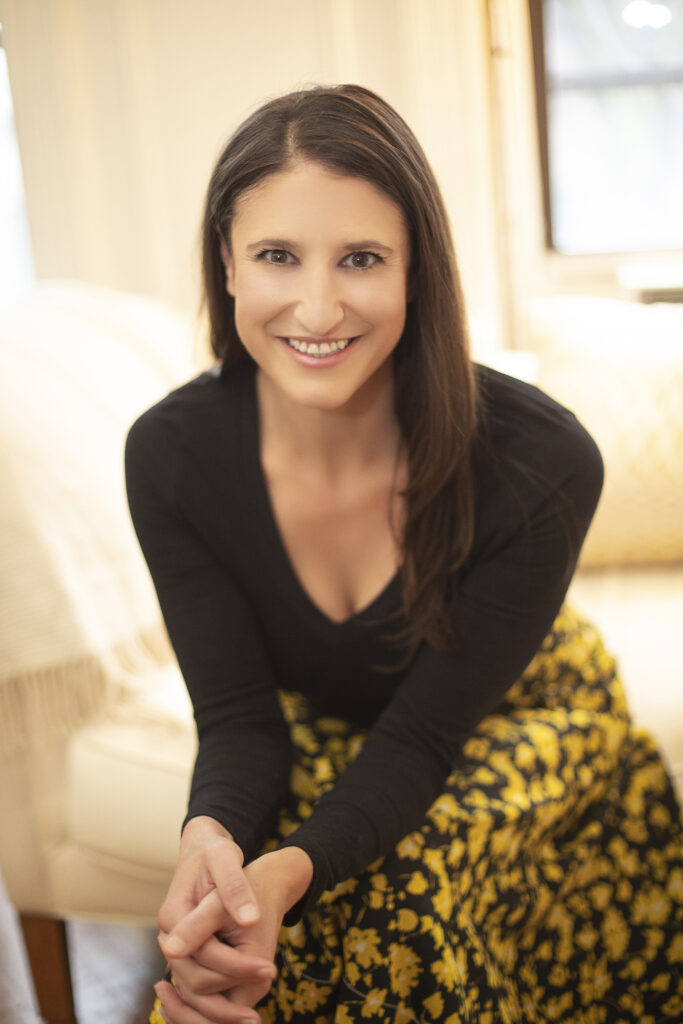
Welcome back to Honing In and to my interview with Jillian Hess.
Jillian Hess is Professor of English at Bronx Community College, part of the City University of New York. She is the author of How Romantics and Victorians Organized Information, a 2022 book from Oxford University Press about commonplace books, scrapbooks, and albums. She also writes the weekly newsletter, Noted, exploring how brilliant people have taken notes and she is currently writing a new book, “Noteworthy” which uses the history of note-taking to offer an expansive how-to guide to note taking–forthcoming from Penguin Life in the US and Viking in the UK.
Here are some of the things Melissa and I discuss:
- Jillian’s newsletter Noted as public intellectualism and an extension of her role as a teacher
- The experience of writing an academic book vs. one for a general audience
- Why reading creative thinkers’ notebooks humanizes them and empowers us
- The iterative and expanding nature of inherited note-taking styles
- How Jillian keeps the commonplace book tradition alive with the Commonplace Book Club
Resources & Links:
- The Noted Substack
- Jillian’s Commonplace Book Club
- Explorations of notes by Octavia Butler and Samuel Taylor Coleridge
- Jillian’s academic book, How Romantics and Victorians Organized Information
Transcript
Kate Henry [00:00:08]:
Welcome to Honing In, a podcast for creative thinkers where we’ll hone our skills, explore our passions, and nurture our dream projects into being. Hi everyone, welcome back to Honing In. I’m Dr. Kate Henry. Today, I am interviewing Jillian Hess, who’s a professor of English at Bronx Community College, part of the City University of New York. She is the author of How Romantics and Victorians Organized Information, a 2022 book from Oxford University Press about commonplace books, scrapbooks, and albums. She also writes the weekly newsletter Noted, exploring how brilliant people have taken notes, and she is currently writing a new book, Noteworthy, which uses the history of note-taking to offer an expansive how-to guide to note-taking, forthcoming from Penguin Life in the US and Viking in the UK.
Kate Henry [00:01:39]:
Does it feel exciting to hear your bio read with the new book that’s coming out?
Jillian Hess [00:01:44]:
Yes, it does. It really does. I’ve got projects!
Kate Henry [00:01:48]:
Oh my gosh. Well, you’re on the perfect podcast to talk about projects. I know. I’ll dive us right in. And as I shared with you before, this podcast is about how creative thinkers approach their creative projects. And I’d love to hear how you feel about the, like, framework of, like, a capital P project. Is that language you use, or is there another sort of word or concept that you use to organize your creative or professional or scholarly projects?
Jillian Hess [00:02:20]:
I love the word project, so I’m very, very excited to talk about that. And the reason why, I’m going to get a little nerdy for a minute. I think about the etymology of the term project. So like pro, forth, and jacere, to throw. So like a project is to throw forth. And I think of this like, you know, it’s to project into the future. So the way I think about projects is like, you have this hunch, you have this idea, and you’re just like throwing it into the future. You’re imagining something useful, whatever that means to you, useful for you, useful for other people, but you’re imagining that in the future.
Jillian Hess [00:03:01]:
And so for that reason, like what is so beautiful about projects is like, you don’t have the finished thing for a very long time. So it’s all process. It is all like getting there. And because projects are… they’re oriented towards the future, there’s so much faith that you need to have in a project that it will take the form that it needs to take, that it will be the thing that it needs to be. And as a writer, I think that’s such a beautiful thing to just like be in it, not knowing exactly how it’s going to look at the end and kind of enjoying the process, the act of writing, the act of putting ideas together. So I sort of love this idea of starting out where you are and then like throwing that wish and that hope into the future for a future version of yourself. I think project is a wonderful term. I love it.
Kate Henry [00:04:01]:
This is so cool. I’ve actually never looked up the etymology of project, so I’m glad that you told me that. That’s so fun. I have done very surface-level research into this, but like, I’ve read that when we set a goal, it can like, I don’t know if it’s like dopamine that already gets released into our head just envisioning like, completing the goal. So I find that starting a new project is incredibly satisfying for me. I have a harder time, like, I will finish it, right? I finish the things. I have deadlines that I have to finish, but that like, I don’t know, dreaming up, planning, scaffolding is always the most satisfying. Do you agree?
Jillian Hess [00:04:39]:
Oh, totally. And actually, so I love that, like that excitement because there’s so much potential. It’s not a thing yet, so it could be anything. And that’s so exciting. And then the hardest part for me is finishing. Like I just hate concluding a project. I mean, I know that, that maybe that should be the most exciting thing, but it’s, it’s really, I mean, this might sound morbid, but it’s almost like killing it. It’s like this static form now once it’s completed.
Jillian Hess [00:05:05]:
And if it’s a writing project, then it’s out in the world and other people get to read it and benefit from your research, and that’s wonderful. But for me, the most exciting part is just like that play box in the middle where it’s just you and the words and maybe people you’re in conversation with, and it’s just still full of all of that potential, all that energy. I’m one of those people who like, I could just edit a sentence forever, like just one sentence, and I would have so much fun doing it. So I really love like the brainstorming beginning part, and then I love like once there are a lot of words on the page, then just trying to figure out how to get the sentence to say what I want it to say in the, the way that I want it to come across. That to me is so much fun. And then having to let it go, it just, It’s really hard.
Kate Henry [00:05:56]:
Well, then you have your other projects to do, and you certainly have a lot of them right now, so you always have one you can turn to.
Jillian Hess [00:06:01]:
A lot of projects. And I have to say, writing a weekly newsletter as a writer has just been the best thing for me because I have to let go of an essay every week. I just have to call it and it’s gonna go out, and I made a promise to my readers and Every single essay I’ve ever published on, on Noted, I could have spent an entire year researching and thinking about and tinkering with. And so it’s been very, very, very good for me as a writer to just get in the habit of letting go.
Kate Henry [00:06:37]:
Yeah. I love short-form writing. I’ve gotten really, like, having published newsletters and blogs for, I don’t know, the last 7 or 8 years, it’s really become Whenever I have to write something that’s much longer now, I almost have to be like, this is just like 4 blog posts. So like, it’s like, I, it’s like I, my writing, I’ve gotten real, I really prefer the short form writing now, but…
Jillian Hess [00:07:00]:
Oh, that’s so funny. I’m the exact opposite, but I haven’t been writing a newsletter for as long as, as you’ve been blogging.
Kate Henry [00:07:06]:
Yeah, it’s fun.
Jillian Hess [00:07:08]:
Yeah. The 10,000-word academic article is sort of, that’s like where I feel most comfortable, but. I think it’s always, it’s always good, or at least I tell myself it’s always good to, to do things outside of one’s comfort zone and to grow as a writer. Sometimes you just have to practice in different forms.
Kate Henry [00:07:27]:
I like my form. I’ll stay there for now. Yeah. Yeah. But I am trying to work on a book, which, but still thinking about like the forms that we’re writing, and I know that you’re doing Noted now, but I’d love to know more about your research journey and what led you to the kind of writing that you’re doing now. So in addition to your work on Substack with your incredibly popular and excellent newsletter Noted, and the book that you’ve published before with Oxford, and then the book that’s forthcoming, I’m curious to hear about like, how did you just start getting into researching note-taking practices?
Jillian Hess [00:08:06]:
So I have been kind of in love with note-taking for most of my life. And I can remember distinctly at some point in my teen years, like around 14, I just really like, I was always in love with literature, but I really fell in love with literature and I wanted a way to hold onto my favorite lines and my favorite ideas. And so I started just writing them out in a notebook of my own. And you know, have you ever had this experience where you’re doing this practice and you think you’re the only one who has ever done it? And you think that you’re like a weirdo. And that was me with my notebooks full of quotes, and I just thought I was the only one ever in the entire world who thought to do this. And then I got to graduate school. I started my PhD program and spent a lot of time in special collections and learned about this tradition called the commonplace book, which is an ancient tradition with roots in antiquity with Cicero and Aristotle. And it’s all about how we organize quotations.
Jillian Hess [00:09:13]:
And I recognized in it this impulse that I had as a 14-year-old to collect quotations. So it was one of those moments where I saw my own impulses reflected in people from hundreds of years ago, and that became my dissertation. So I wrote my dissertation on 19th century commonplace books, what happened to the commonplace book tradition in the 19th century.
Kate Henry [00:09:38]:
So that’s how you got into it. So I’m curious, like, could you tell me a little bit more about like how it then developed? That was your focus for the dissertation, right? So then like what happened next?
Jillian Hess [00:09:50]:
Yeah, so that was the dissertation, which then turned into my academic book, How Romantics and Victorians Organized Information. And as I was working on that book, people in my life would ask me, well, how should I take notes? You’re writing about notes. Like, tell me, what are the best ways to take notes? And I was like, oh no, no, no, you don’t understand. Like, that’s not what this book is. That’s not what I’m doing. This is a history book, or literary history. But I really wanted to answer that question for myself, for my students. Like, it just seemed like a really important question that I didn’t have a great answer to.
Jillian Hess [00:10:29]:
So fast forward, the book came out in 2022. I had I had been promoted, I had tenure, so there wasn’t necessarily a reason to work on another academic book. And someone mentioned Substack to me. I mean, this was 2022.
Kate Henry [00:10:49]:
Yeah, this was the time of Substack. That’s when I started. I’ve left, since left Substack, but that was when I started and that was like the time to get in.
Jillian Hess [00:10:58]:
That really was. Yeah. Maybe like even a little late. Yeah, any later would’ve… it wouldn’t have worked. So I had this idea, I wanted to figure out if I could write for a general audience because I had never done that before. So I thought, okay, this is a great experiment. I’ll see if I can translate some of my ideas into language that non-academics would understand, be interested in, excited about. And so I kind of threw off… it was very liberating.
Jillian Hess [00:11:27]:
I like threw off all of these boundaries that as academics we put ourselves in, often for good reason. I mean, specialization, you need to specialize to become an expert in something. You can’t be an expert in everything. So I think that experience of, of getting like really, really deep into a very specific topic was a wonderful experience. And then equally wonderful, just throw that off and decide I am just gonna study all the note-takers in all time from every country and just like whatever I’m interested in. It doesn’t have to be my specific period. I’m just gonna explore it. And that’s what I set out to do.
Jillian Hess [00:12:11]:
Every week I picked a different note-taker to chronicle, and it was kind of, in some ways it was like all these people that I had really wanted to study, but couldn’t because they weren’t in my field, I was now able to do it. And that was very exciting also.
Kate Henry [00:12:30]:
Oh, I can tell you’re still so excited as you talk about it. I can see you and like hear you like light up about it. This is really fun. I hear what you’re talking about with specializing in academia, and that’s always something that I did think was very fun about academia. Like my, my research It was historiographical research, literally just looking at one woman’s work, and I’ve been doing that for, I don’t know, many years at this time, over a decade at this time. And I published about her while I was in academia, and now that I’ve left, chosen to leave academia and publish in other spaces, I felt a lot of freedom in that because I didn’t have to… I feel like I don’t have to like perform my knowledge in the same way in academia that has good exchange value, like tenure or security or publications or advancements, right? Like, there are reasons that folks do that. And so I’m really fascinated with public scholarship and how we can create and share things for a public audience, or you said like a general audience. And so I really see the work that you’re doing on Noted as public scholarship, and I’m curious if you’d agree with that.
Kate Henry [00:13:42]:
Is that a framework or language that you think about when you’re writing for a non-academic… I’m sure there’s academics who are reading it, but like a general non-academic audience.
Jillian Hess [00:13:53]:
Yeah, I’m so honored by that framework. That’s certainly something I aspire towards. You know, I think it’s all connected because part of my job is being a teacher, and I’m teaching non-academics… like, they’re undergrads, they’re not academics. Some of them might go on to be academics. So much of my job is that, and so much of, you know, anyone who’s a professor, their job is to translate some of these ideas into, into language and concepts that non-academics will understand. So I really think about my work on Noted as an extension of my teaching, and I think about it in a very similar way. It’s almost like, like sometimes I think of it as just putting together a PowerPoint.
Kate Henry [00:14:39]:
Yeah. Yeah.
Jillian Hess [00:14:40]:
Where I’m like, these are the images that the students need to see to understand this concept that I’m trying to teach them, and they need this background information. So in some ways, it’s like writing a newsletter is like a more perfect version of my teaching because I can edit it, which I can’t do when I’m in front of a live class. I mean, I have so many thoughts on academia and what it means to be an academic and our training and how that often just doesn’t work with the world that we live in today, I guess there are a few things I wanna say. The first is I really wish more academics would become public intellectuals because we, the stuff that we do in academia is so fascinating. It’s so interesting. It has so much value outside of the academic world. And I don’t know that we’ve always done the best job of communicating what we’re doing and why it matters and how it can enrich everyone’s lives. So that’s number one.
Jillian Hess [00:15:45]:
I think also I teach at a community college, and the whole purpose of a community college is that education is for everyone. Anyone who wants an education can get it. And I teach at a community college that is open admission. So really, anyone who wants to attend can attend. And that, I think, is just the most beautiful thing. I’m so proud of where I work, and I feel so grateful that I get to work at a school like that where students who, for a variety of reasons, are just underprepared for college, or there are life situations that make it very difficult for them to, to go to a 4-year school, but there’s still so much excitement for these ideas and for all of the things that, that they can learn and skills that they can pick up. And I really think of Noted as doing something similar, as being like, hey, whoever you are, this is on the internet. Most of it is free.
Jillian Hess [00:16:45]:
And here’s like a bunch of cool information that I find really interesting, and I hope that you will find interesting too. So I guess what I, what I wanna say is that I think being a public intellectual should be more… there should be more focus put on that. And there are a lot of reasons why it’s not, primarily being that public intellectual work often doesn’t count for tenure because it’s not peer-reviewed. So there’s no way I could have written Noted before I had tenure and before I had became a full professor. I had to spend my time doing work that would get me the job security and the promotion. So I wish that there was a way for early career academics to do public intellectual work.
Kate Henry [00:17:39]:
Absolutely. Amen to all of this. I wish too that in graduate school I had received any training on public scholarship. Maybe there was some. I’m sure that there were some like awesome things that my professors did include in the syllabus, but I wish it was something that I had learned more about.
Jillian Hess [00:18:00]:
Can I ask when you graduated?
Kate Henry [00:18:01]:
Yeah, I graduated in 2020.
Jillian Hess [00:18:04]:
Okay. I graduated in 2013, so I mean, they feel like very different time periods. You know, when I was in, in graduate school, the profession still felt possible. It was, the job market was brutal, but there was a job market and increasingly there is not.
Kate Henry [00:18:24]:
Yeah. I mean, I knew at least a year before I finished the PhD that I was not going to go in the market and I was like strategically building my business and knew I was gonna fully be self-employed. So like there was, I did have freedom and I don’t, that a lot of my colleagues did not have at the time. And I also like, I primarily work with professors who are going up for tenure on like supporting their writing and. I work with folks literally all over the world, and it is so rare for anyone to have public scholarship count towards their tenure package. Honestly, I can only think of one of my clients ever who, for whom it is counted. Which is disappointing.
Kate Henry [00:19:03]:
But this also then leads me, like I was thinking about with the book that you have coming out with Penguin, which is so cool and exciting. I’m thrilled. I can’t wait. Do you mentioned earlier that you, you had your book that came out with Oxford, which is such an impressive press to publish with and You’re now tenured. I’m curious to hear like what led you to go with Penguin and Viking and like more of a public-facing publisher like this versus honing for like an academic audience with, with Noteworthy.
Jillian Hess [00:19:33]:
Oh, so many reasons. Right before I started the Substack, I had this whole other academic project that I was going to work on and I was very excited about it. And then two things. So one, I realized this is a huge project. This is gonna take another decade, as my Oxford book took over a decade to write. And then the second reason is it was, it was 2022, so the archives weren’t quite open after COVID. So it was, it was a little bit difficult for me to even get access to some of the manuscripts that I would need to look at. So for those two reasons, and I also, ever since graduate school, I had kind of, I don’t know, secretly really wanted to write something for a general audience.
Jillian Hess [00:20:23]:
So it’s something that has always really interested me in part because of this question of translation, of translating academic ideas for undergrads, you know, for, or for a general audience. So. That’s something I’d always been interested in. I didn’t want to write a book that was gonna take another 10 to 15 years at this point in my life. I can imagine at another point later down the road of wanting to go back to something like that. It just, it didn’t feel right for me at that time. If I were to have published or gone with an academic press, it would’ve had to have been a very, very different book. That was not the book that I wanted to write.
Jillian Hess [00:21:06]:
I want this to be very accessible. I want it to be very practical. I want it to be very helpful. My goal for this book is that it will empower more people to take notes, to think about note-taking in a much more creative, expansive way. And that’s different from what an academic book would be. And then also I will say, I mean, like just having a Substack did so much for me because I’ve never had so many people read my writing, which for a minute was like terrifying. And now I just, I just try not to think about it, you know, because as an academic you’re used to having like 5 people, if that, read your writing. To have many, many more people reading it is such a gift.
Jillian Hess [00:21:55]:
And because of that, there were agents and publishers who reached out to me and were interested because all of a sudden I had what people in the industry call a platform, meaning that I have people who sign up for my newsletter who are interested in what I have to say. So publishers then think, okay, that means people will buy her book. I don’t know if it necessarily is a one-to-one relationship like that, but I see where they’re, where they’re coming from because, you know, I can promote it. I have a platform where I can promote my book. So I just had all of these opportunities. And I have to say, working with, with an agent, so wonderful. Like, like it’s like a professional version of the advisor grad student relationship. You know, just someone who’s on your team and who will read your work and has insights and knows the field and is herself is a great editor.
Jillian Hess [00:22:54]:
So that has been lovely. I’ve loved working with my editor as well at Penguin. She has great ideas. She’s really enthusiastic. I feel like I have a team helping me with this book, which is not really the case for academic books, or at least in my experience it wasn’t.
Kate Henry [00:23:11]:
Yeah, no, this is so exciting. I love hearing from folks who feel really supported by their agent and their editor and like I mean, it does seem like a common experience for folks who I talk to, so this is like really good that the industry is remaining supportive of individual writers. Yeah, that just is heartening. I am thrilled. I can’t wait for the book. I can’t wait to mention it in my newsletter when it comes out. Of course. You mentioned earlier working in the archives, and the archives I work in are in Los Angeles.
Kate Henry [00:23:42]:
I’m in Boston, so across the country. Luckily, I’ve gone there and taken, like, thousands of photos, so I’m all set. It all lives in my hard drive and my iPad and stuff. And working in the archives is such a dreamy thing. I remember in graduate school when we were learning the different methods and stuff, and just, like, being like, “No, I never want to interview anyone.” I mean, now I have a podcast, but it’s not the same thing. Like, I never want to do a— I’m not going to do ethnography. I’m not going to do quantitative analysis even. I’m just going to, you know, like, hang out in the archive.
Kate Henry [00:24:14]:
And This is not necessarily like a question, but just like gabbing about archives. The woman whose papers that I research, it’s so cool because I can see stuff like literally from when she was like a child until the end of her life. And it’s so special to notice things like noticing when someone’s handwriting is changing and being able to say, “Oh, she must have been 60 here because of her handwriting.” And something that’s been challenging for me is, She was a secretary for most of her life. Her name was Edith. She was a secretary, and so she would write things in shorthand in her, like, diary. Like, here I’m saying diary, and I mean it in, like, the way that, like, British people mean it, like, the daily calendar, right? Her daily planner. And it’s been so interesting, like, to be like, “Oh, do I need to find out shorthand?” Like, is she writing shorthand because she was queer and she wanted… it’s like 1947, and she wants to be like, recording secret notes or something like that has been like an interesting thing that I haven’t… I did try to Google like how to translate shorthand and it’s not that easy, right? So have you run into things like that in the archive where you’re like, this is fascinating and I, I don’t know, I’m just curious to hear, I guess, like what your reaction is thinking about that. Yeah, because like that is something where I’m like, this is probably really significant if she’s writing it in a code and a code that she knows because she’s a talented secretary, but like, how bad do I want to know what this says? That’s what kind of comes to my mind.
Jillian Hess [00:25:48]:
I mean, I’m low-key obsessed with codes in notes, like people who have like symbols or writing, mirror writing or shorthand. And so part of me, but I think like you’re getting at this tension with archival work that I feel all the time, which is, okay, I have access to this. But how much did they, like, really want this strange woman in the 21st century to be reading this and, like, digging into the symbols and all of that? So there’s always this tension of, like, oh my gosh, this is so intimate that I’m getting to have this experience with Coleridge’s handwriting, you know, or whoever, and the way the handwriting changes. But also, like, how do I do this in a way that is respectful? But also adds to our body of knowledge and teaches us something of value. So I would be like, yeah, you should definitely figure out what that shorthand says.
Kate Henry [00:26:48]:
I mean, even if I just find it out for myself, that is fascinating. Yeah.
Jillian Hess [00:26:53]:
I mean, what you said about just the gift of being able to be in an archive, like, I just, I remember, you know, when I started my dissertation of just like going on these research trips And sitting in the British Library holding Queen Victoria’s notebooks or Coleridge or Florence Nightingale and just… or George Eliot and just feeling like, how is this my life? This is a dream come true. This is… it’s just so exciting. And it still feels that way. It still feels like you never know what you’re gonna find. And in that way, it’s like, it’s a little bit exhausting because you spend the entire day at an archive or multiple days, and there’s like just this adrenaline spike of, oh my gosh, this is so exciting. But then, oh, what am I going to do with this? How does this fit? And I will say working in the archives now is significantly easier than when I started in 2009. Ish, because back then most libraries did not allow you to take photographs. Very little was digitized.
Jillian Hess [00:28:05]:
So can you imagine this?
Kate Henry [00:28:06]:
No, I can’t. I would not be where I am if I could not have photographed everything in the archive.
Jillian Hess [00:28:11]:
Being a little anxious PhD student with your pencil. With my pencil. Yeah. I, well, I, I did have a computer.
Kate Henry [00:28:20]:
I’m not there. No, I don’t mean you… I just mean like I’ve been in archives before where they’re like, “Don’t mess up any of our stuff.” You know, like you can have a scrap paper and a pencil, maybe, you know, like.
Jillian Hess [00:28:32]:
Yeah. First visit, I was just typing everything on every page and it was ridiculous and exhausting. And now you could just take a photo, which makes my life much easier, but it also makes going to the archives a little less exciting because it feels like an exercise in taking photographs.
Kate Henry [00:28:52]:
Yeah. As fast as you can. Yeah, it’s wild. I think if I lived in Los Angeles, it would be a very different experience. I would probably go frequently. I’d be writing my book faster because I would be inspired all the time, right? You know, like I think that that would be different too. But yeah, I would not feel the urgency. And like, even when I went to the archive, I got a fellowship to go there for a week and I brought my spouse with me and we both were taking photos.
Kate Henry [00:29:18]:
You know, like, so I was so lucky I had two hands taking photos of these. And I mean, like, I’ve had these for a decade, and like, I haven’t gone through all of them yet. There’s still things I haven’t even looked at because there’s so much. And I find this too with writing a dissertation where it’s like, it’s wild when… like, I was doing rhetorical analysis in my dissertation, and you really only can talk about like, 9 things. Like, there’s not… you can’t go… in my experience, there was doing the close reading and really looking at specific things, I didn’t talk about the, like, thousands of cool things I could have, right? But you get to do that on Noted now. So, because you are writing something different all the time. So I’m curious, like, what is it like working in archives now to gather information? Do you have online archives or local archives? Like, how are you deciding like what you want to pull from the archive and how are you choosing who you want to be featuring in Noted?
Jillian Hess [00:30:20]:
So every week I kind of ask myself who I wanna hang out with that week. That’s how I think about it. And it, it could be like there’s just a figure that I’m really fascinated by and I, I wanna learn more about them or an issue that I want to spend time thinking about or a person who I think I might want to use in my book. So I’ll start by writing a Noted post on them. And because I have to write these posts so quickly, I don’t spend as much time in the archives as I might otherwise. So if someone’s archives are already digitized… I just wrote about Frederick Douglass, and it’s completely digitized, Library of Congress, so I don’t have to go to DC. I can just do this from home. And that makes my life a lot easier.
Jillian Hess [00:31:08]:
Also, if it’s someone as famous as Douglass, then there’s his collected papers, so editions, printed editions of his collected papers at the library. So that way I, like, I can do it in a week. Whereas if I had to go to DC and then spend all this time photographing and, you know, going through hundreds of pages, that’s a, a much more difficult, time-consuming process. That being said, I still do that. I just don’t do it quite as often as I would like. But, you know, I’m in New York, so the New York Public Library, the Schomburg, the Morgan, like we have incredible, incredible archives. So there is a lot close by. There’s a lot in Boston and Cambridge.
Jillian Hess [00:31:50]:
I mean, Harvard’s collections are just ridiculous. They’re just incredible. So there’s a lot at my fingertips, but also anytime I travel, like I’m about to go to LA for a conference and to visit some friends. So I’m curious about the archive that you’ve been alluding to. But every time I travel, I know whose notes are there and I need to schedule appointments to go see, to see those notes. So travel for me is always somehow intertwined with archives, like just visiting whatever archive I have access to there, especially people whose notes are not digitized, whose notes are not readily available, and often I mean, it’s usually the more contemporary people. Yeah.
Jillian Hess [00:32:34]:
So I’m curious, what is the archive?
Kate Henry [00:32:36]:
It’s the ONE archive, ONE National Gay and Lesbian Archive. It’s through USC, so it’s, it’s like right by the USC campus. It’s lovely. It’s nice. The woman who I study, her name’s Edythe Eyde. She wrote the first lesbian magazine in the US, and they have all of her papers there. Like, I don’t know, there’s like 26 boxes or something. And they have her leopard print guitar case, her leopard, like, cover, you know, leopard print covered guitar case, and all the cute little, like, tchotchkes and things like that that she had, which are so dreamy.
Kate Henry [00:33:07]:
Yeah, it’s… I’m so excited about how you are doing this. Like, it must be so fun to be like, not wash and repeat, but to be like, what am I going to learn this week? How am I going to share this with people this week? And the comments on your stuff are like great. Like, people are engaged, people are excited, people are interested. Why do you think people are so fascinated with this? Like, what is feedback that you’ve heard from readers around why they keep coming back to Noted and what’s so exciting or interesting? Like, I would agree as a reader, a longtime reader of Noted, that it is, as you said, like presented in such a fun, educational way. And I feel like I get to learn, like, like not just learn like really cool facts and interesting things that I can share with people, like cool trivia, but it’s like, I feel not just like smarter, but I’m like learning how to read notes or like learning historical context or something. Like, it really is a lovely little lesson for me as a reader. So I’m curious for you, like, why do you think there was and continues to be such fascination in Noted and the work you’re doing?
Jillian Hess [00:34:16]:
Three things to say about this. So one, I think part of it is just voyeurism. Like, it is So fun to see kind of these like secret unpublished writings of, you know, these mega brilliant people that we all look up to and have shaped the world that we live in, in, in lots of different ways. So there’s that looking through the windows voyeurism aspect of it. The second thing is that when you look at a person’s notes, they become very human and you see the struggle and you see that, you know, for example, you know, I’m thinking of Octavia Butler. We didn’t just get Kindred. Like she didn’t wake up one morning and all of a sudden we have Kindred. No, she worked so hard.
Jillian Hess [00:35:07]:
She did all of this research. She had to give herself all these pep talks in her notebooks, all of these affirmations. And every single creative, brilliant person that I’ve worked on, there’s a, there’s struggle in all of their projects. Notebooks are usually where some of that struggle shows up. So it’s very affirming for me, and I think for, for a lot of readers to see that these people who have written brilliant classic novels or come up with world-altering scientific theories or, you know, political activists, all of these people had struggles. It didn’t necessarily come easy all the time. And so that’s incredibly affirming and inspirational. And every time I’m struggling with a writing project, I know this is the process and it happened to Octavia Butler, so it’s okay that it’s happening to me.
Jillian Hess [00:36:09]:
So there’s that. And then finally, I think that we are so immersed in screens and our lives are so digital, and of course there’s incredible value in that. I write a digital newsletter. We are, we are not in the same room while we’re recording this. Like, this is all digital and that’s wonderful. But I also think that there’s sort of this, this backlash and we all crave the material world a bit. And so notebooks bring us back to these earlier, slower forms of writing and reading and thinking. And I don’t know, a friend yesterday was saying it’s kind of retro to write in a notebook.
Jillian Hess [00:36:55]:
It’s sort of, it’s very refreshing, and it’s something that we as a society need more now because the digital is just, it’s taken over so much more of our lives. And the notebook is a, is a, it’s a good reminder that it doesn’t have to be that way, that not all of our lives need to be digital. Digital.
Kate Henry [00:37:18]:
Yeah. Thank you for sharing that. I, as reader of Noted, I’m like, yes, check, check, check. I feel all of those things when I’m reading it. This also makes me reflect on something you shared earlier around like, like I also, when I was a teenager, had like an art notebook I would carry around and write and draw and create. And, and also I did not have a cell phone. I didn’t get a smartphone until I was like finishing my MFA before I did the PhD. Like, I didn’t get it until I was well into my 20s.
Kate Henry [00:37:44]:
And when I was a teenager, we did have a family computer, like a big box family computer, but I didn’t get a laptop until I was in college, right? So at the time, like, I didn’t have screens. I guess there was TV, but I like didn’t sit downstairs in the family room and watch TV. So I, being in my books where if I was like writing or painting or making art or something like that, or like writing poetry, like that was how I spent my time. And I definitely feel like I’m like, “Oh, how delightful would it be to do that again?” And of course there’s many reasons that where it’s challenging to disconnect from our screens, right? But I think about this too, because I’m a bullet journaler, but I don’t… my bullet journals, which if folks don’t know what bullet journaling is, you basically are creating your own digital… or excuse me, oh my gosh, you’re creating your own handheld planner, and like, people use it in a notebook, and I use it to just have like a daily to-do list and a weekly calendar. But a lot of folks, like, if you go on Pinterest and look up like bullet journal spread, there’s like so many wonderful ways folks are taking notes on their life and tracking things, and it’s very beautiful, and it’s like, â… that reminds me of the kind of stuff I would do as a teenager in a notebook. But often I’m like, “Oh, it’d be really lovely to actually be like using my Bullet Journal in that way,” and I’m not. But I do, at the end of the day, fill out like a one-line-a-day journal. Like, that’s kind of like the place… like, I’m like, “This is what I have the effort to do as like a person,” just like all of us who are pretty like enmeshed with our screens and social media and stuff.
Kate Henry [00:39:27]:
Yeah, but it is curious like how I’m like, admire the way that folks use bullet journals to like create these beautiful, elaborate, reflective note-taking places or note-taking things. But I tend to be like, no, this is my efficient, beautiful, colorful to-do list, right? So I don’t know, have you… you’re looking in the archives at stuff from before, like, do you, how do you feel about bullet journals? Is this like a, like new way that folks are maybe doing this? Or I don’t know if you’ve Do you have a Noted about bullet journals? I don’t know if I’ve read that one.
Jillian Hess [00:39:57]:
I don’t. I don’t. And maybe I should. Bullet journals, I’ll say, fits into this history that I’ve noticed, which is that someone inherits… so, you know, we all inherit certain note-taking styles that were either taught in school or just by society at large. And then often those tools don’t necessarily work for everyone, especially if you’re neurodivergent or your mind thinks in different ways. You know, so I’m, I’m thinking of someone like Michael Faraday, you know, the great physicist. He started off using Locke’s commonplace book method, and then over the course of his career, he totally dismantled it and created his own method because, you know, he was discovering electromagnetism and like, you know, doing kind of amazing things that it just didn’t fit within Locke’s framework. And I think Ryder Carroll, who is the person who invented the Bullet Journal, from what I know about him, he has ADHD and the, the Bullet Journal really helped him organize his day.
Jillian Hess [00:41:04]:
And so like, this is just another example of someone who inherited, you know, the daily planner that Moleskine makes, but then decided I need to tweak this so it fits the way that my particular brain works. And he did it and then it like, it really resonated with a lot of people. So I think we see this often in the history of note-taking that we have these inherited forms and then brilliant creative people, they decide to alter it so that it works for them. And then that becomes this new exciting inherited form.
Kate Henry [00:41:44]:
So maybe I should.
Jillian Hess [00:41:45]:
Yeah.
Kate Henry [00:41:45]:
Oh my gosh, you should do that. It’s fun too, because like I’ve read Ryder’s book about bullet journaling and like, I don’t, he does lay out like this whole system and specific symbols and like things that they do. And I’ve, I don’t use it in the same, like I’ve been like, thanks for showing me how to do this. Now I’m going to hack it for my own way that I do it. You know, it’s almost like bullet journal is like a, I don’t know, not like a synecdoche, but like it’s sort of like we’ve all now, or all of us bullet journalers, like, I’m sure people have been like, “Thank you for teaching me this. I’m gonna now hack it to have it fit my life.” It is cool, but it also is, it’s just like an interesting reflection that I’m having right now where I’m like, what is the thing that prevents me from like, pausing and taking the 5 minutes to just do like, the like reflection or to do like the… I think an answer is like, well, I’m not 14 anymore and I have a phone and I have a computer and I have podcasts and I have, You know, like there’s all these other things I could do. I’m not just sitting on my bed at 5:00 PM with listening to Moby or whatever, you know, like doing this.
Jillian Hess [00:42:52]:
Oh, but how fun.
Kate Henry [00:42:53]:
That sounds so fun. It was fun.
Jillian Hess [00:42:55]:
Yeah. Yeah. I guess what I wanna say in response to that is, you know, sometimes when we have these inherited forms, it becomes like an assignment. And that never feels very good. What I love about notebooks is that they can be whatever you want them to be. And if you don’t find that writing that reflection is useful for you, you don’t have to do it. And maybe right now you don’t have time for it, and you know, maybe in a couple months you’ll decide, actually, I’ll try writing these reflections and you’ll see what happens. But that’s the thing about an individual notebook, like it’s yours.
Jillian Hess [00:43:32]:
You can do whatever you want with it. It’s not, it’s not a school assignment.
Kate Henry [00:43:37]:
Oh yeah, yeah, totally. And it’s different seasons in my life. They have like, when I was the first year I was blogging, I had a notebook and the, like when I was working on my dissertation, had notebooks. I did spend the time reflecting and like, I still have those notebooks and I love to look back through them to be like, wow, look at how I was like, that was closer to like the time when I was younger where I was just really like in flow and in the zone with these notebooks. And again, starting these creative projects. That was quite delightful. Like, it’s delightful to remember that and to look back at them. They’re in my little archive of my notebooks.
Jillian Hess [00:44:10]:
I love the idea of seasons of note-taking.
Kate Henry [00:44:13]:
I would love to hear what is a favorite note-taker for you and what is a favorite note-taker that your readers have been really excited in?
Jillian Hess [00:44:22]:
I think for me, it would have to be my, my first notebook love, which is Samuel Taylor Coleridge. Who I studied in graduate school, and he, oh, he kept so many notebooks and he was such an expansive thinker, an interesting thinker. He came up with so many words, like he’s the one who introduced marginalia into the English language. So playful, but also what I love about his notebooks is that he turns to them in these moments of despair when he feels abandoned by his friends, and he calls the notebooks his sole companions. You feel like, like you’re really getting to know this guy in reading his notebooks. And so I felt, I just felt this, this real intimacy with him. And of course he’s just this brilliant creative thinker. And so getting to watch his mind on the page, I just completely fell in love.
Jillian Hess [00:45:18]:
My chapter on Coleridge is the longest chapter in my book because I was just so in love with him and his note-taking. So Coleridge for me, and Octavia Butler for a similar reason. Like, there’s just so much of her, of her internal world on the page in her notebooks that you feel like you’re really getting to know her. And, you know, when you get access to a person’s internal world like that, it’s hard not to fall in love. I think also my readers have loved Octavia Butler as well because of all of her affirmations and all of her, like, visions for herself. I mean, she has this page where she writes out, “I will become a bestselling author. I will be able to buy my mother a house. I will be able to afford good health insurance.
Jillian Hess [00:46:06]:
So be it. See to it. So be it.” And so just to see her envisioning this future for herself and to see the struggle, but also that perseverance is incredibly empowering. So someone like her, someone like Frida Kahlo, who is just so creative. I think people respond to when people who are creative on the page in their notebooks and then give us permission to think more expansively about what we are doing in our notebooks. That really resonates with me and, and with my readers.
Kate Henry [00:46:41]:
And I, the way that you have Noted set up too, it’s like you’ve so kindly organized it for us so we could see, you know, like folks who are scientists, folks who are artists, folks who are writers, like you’ve really grouped this up. So if folks are curious about it, and they want to peruse, they could check out all the different spaces there. I want to talk to you about notes forever, but I will not. And I’m having such a fun time today, but I will start to close this up. I would love to ask you a question I always ask folks, which is, what is one thing that you are honing in on right now?
Jillian Hess [00:47:18]:
I love that question. I think I’ll go back to what we were talking about earlier, which is honing in on the material world, the physical world, because as wonderful as the digital world can be, I find it very grounding to remind myself that I am a physical being in a physical world. And so taking notes by hand, Reading an actual book, meeting a friend in person, you know, seeing students in person, all of these, that’s what I’m, I’m trying to hone in on, on the physical world that surrounds us. You know, just like all of these physical material things that surround us in the world that it can be easy to forget in part if you’re like an intellectual and just spending too much time in your mind, but also because so much of our world is is digital. So yeah, that’s my answer. I’m honing in on the material world.
Kate Henry [00:48:21]:
That is dreamy. It makes me think about every time I have a chihuahua and whenever I pick her up, I smell her little head and I’m like, you smell so good. Like this like delightful little nutty chihuahua smell that is so dreamy. I’m gonna ask you to share where folks can find you, but I also would love if you could close this out by telling us a little bit about your Commonplace Book Club. You’ve told us what commonplace books are, but I know that the book club is something that you do, and I, I love hearing about it. So could you tell us what that is if folks wanted to take part?
Jillian Hess [00:48:53]:
So commonplace books are the great notebook love of my life next to Coleridge. And commonplace books, just as a refresher, are personal notebooks filled with quotations or information that you want to return to at some point. So because so many people who read Noted are also really into notebooks, obviously, and I wanted to kind of have a celebration of, of commonplacing and also introduce people to commonplacing because it’s, it’s certainly much better known now than it was when I, I wrote my dissertation. But still a lot of people don’t necessarily know what commonplace books are. So the whole idea for the club was to sort of ease people into keeping a commonplace book, but while also building community. And so we do this 3 times a year for a month. So we did January, May, and September. We just finished the January Commonplace Book Club.
Jillian Hess [00:49:54]:
And basically for the entire month of January, we all post a picture of a quote from our notebooks or from online or just a typed quote. So everyone shares a single quote every day for the month. And I’ve learned about really incredible books this way. I’ve gotten to really get to know a lot of readers who I wouldn’t have otherwise known. I can recognize their handwriting now, which is really cool. And so we create this communal commonplace book over the course of a month by sharing quotes with one another. And then at the end, I take quotes from people who have given me permission and I arrange them into a more typical commonplace book structure. So organizing them under general topics and I put them in a PDF and that’s the closing out celebration of the club.
Jillian Hess [00:50:47]:
So we meet again in May for another, another month of sharing quotes.
Kate Henry [00:50:53]:
This is so cool. Also, how amazing that you go in and do the labor to organize it by topic. That is, I bet that’s so delightful.
Jillian Hess [00:51:02]:
These quotes are, they’re delightful to read.
Kate Henry [00:51:05]:
Could you share where folks can find you? And we know that your book’s gonna be coming out later this year, right?
Jillian Hess [00:51:10]:
Is it August or? Due in August, so it won’t come out until 2027.
Kate Henry [00:51:17]:
Well, we will be waiting on bated breath. This is unfortunately publishing takes a long-ass time. We like, it does. But where can folks find you and follow your writing? And do you have anything coming up? We know in May will be another Commonplace Book, you know, series, but what’s coming up down the pipeline.
Jillian Hess [00:51:34]:
You can find me on Substack, on Noted, and I will be hard at work on the book, so keep an eye out for that.
Kate Henry [00:51:42]:
Yay! Okay, I will link to all of these wonderful things in the show notes so folks can just go in and click and find it. Thank you for this wonderful chat. I feel really energized. It’s so lovely to talk to a common soul who’s also so in love with archives. It always makes me feel really like full and happy. So thanks for your time today, Gillian. Thank you.
Jillian Hess [00:52:05]:
Thanks for the opportunity. This has been really fun.
Kate Henry [00:52:39]:
My pleasure. Thanks so much for joining me. You can learn more about Honing In and my work as a productivity coach on my website, katehenry.com.
Newsletter
Sign up below to access my free newsletter, Tending with Dr. Kate Henry.