
Publishing as an Artistic Practice with Emily Larned
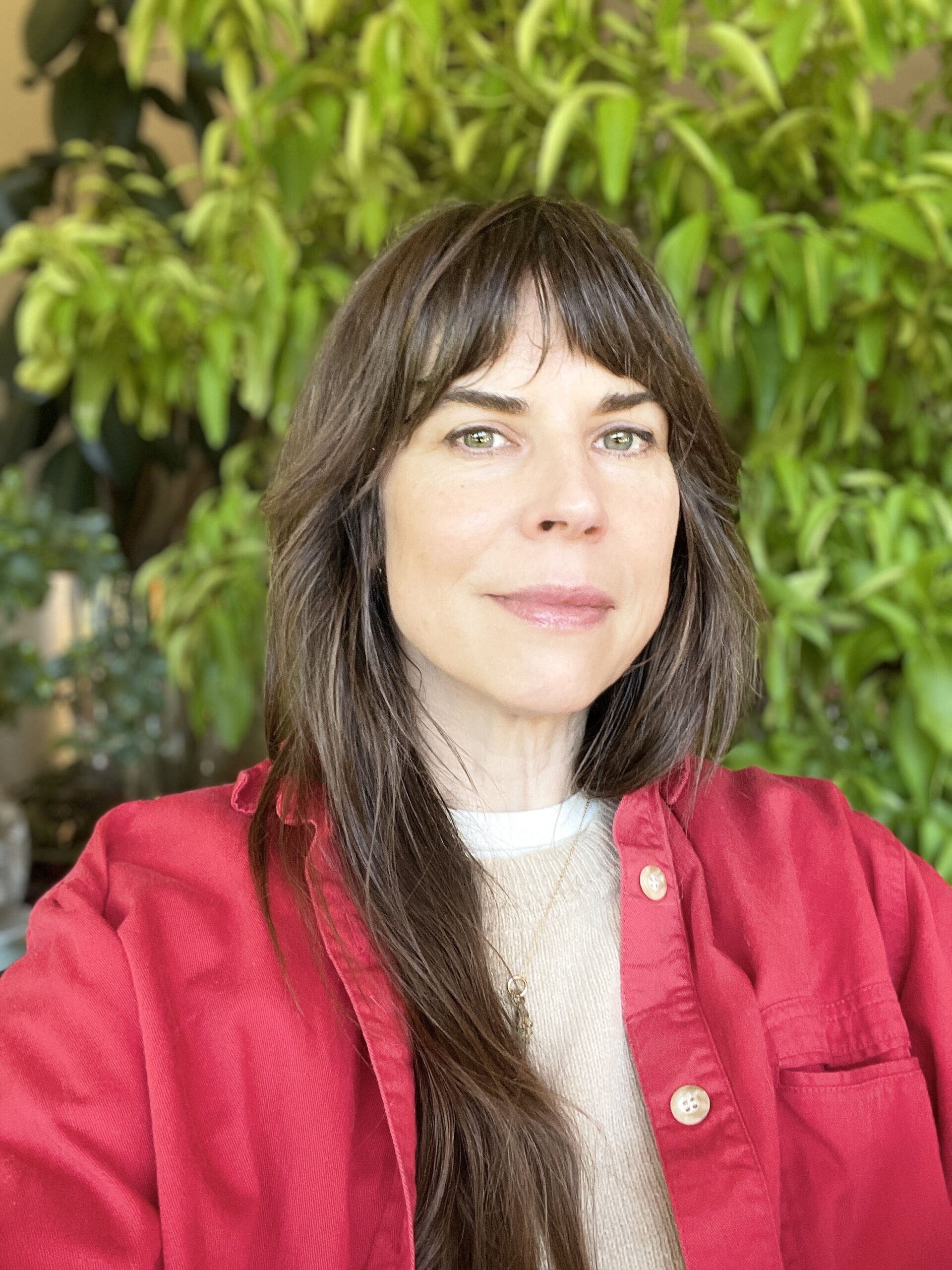
Emily Larned has been publishing as an artistic practice since 1993, when as a teenager she made her first zine. Her imprint Alder & Frankia publishes new collaborations from feminist archives, including the recent publication and exhibition “Workshopping” at Women’s Studio Workshop. She is co-founder of Impractical Labor in Service of the Speculative Arts (ILSSA), an artist organization which explores the immaterial working conditions of impractical laborers through participatory projects, publications, and exhibitions. Emily is an Associate Professor and the incoming Director of Graduate Studies in Art at the University of Connecticut, Storrs.
When we talk about publishing, it’s usually the finish line for any aspiring author. For Emily Larned, Associate Professor and the incoming Director of Graduate Studies in Art at the University of Connecticut, Storrs, publishing is an artistic practice within itself. She’s been publishing since 1993, when she made her first zine. Currently, her imprint Alder & Frankia publishes new collaborations from feminist archives.
Today on Honing In, we talk to Emily about how her start in the Zine subculture at age 16 taught her to value community-oriented, socially engaged artistic practices. We also talk about Impractical Labor in Service of the Speculative Arts (ILSSA), a union for artists and makers that Emily started with her friend Bridget Elmer in 2008.
Throughout our conversation, Emily graciously walks us through the various feminist projects that have informed her work and shares what we can continue to learn from them. She also shares her endeavors to create beyond economic compensation, time constraints, and the pressures to “produce.”
If you’re interested in feminist art, creating without time pressure, and moving individual projects into the social sphere, there is much to learn from Emily today.
Together, we hone in on:
- The distinction between “platforms” and “projects”
- Publishing works as a social act that builds community
- The origins of the Impractical Labor in Service of the Speculative Arts (ILSSA)
- How time and materials can transform a work of text into an immersive experience
- The various feminist projects and texts that inform Emily’s work
- Emily’s personal goal of working less and moving slowly
- The importance of bringing a fluid, humane approach to academic work
More from Emily:
- Emily’s Website: EmilyLarned.com
- ILSSA: https://impractical-labor.org/
- Emily’s Instagram: @emilylarned
- Emily’s Substack: Till & Drift
- Emily Current Exhibition (in Connecticut until Jan. 10, 2027)
More from Kate:
⭐ Productivity Coaching with Dr. Kate Henry
💌 Sign up for Kate’s free newsletter
📚 Download Kate’s free Sustainable Productivity Planner
Podcast editing and support by Softer Sounds Studio.
Theme song by Melissa Kaitlyn Carter.
Transcript
Kate Henry [00:00:08]:
Welcome to Honing in, a podcast for creative thinkers where we’ll hone our skills, explore our passions, and nurture our dream projects into being.
Kate Henry [00:00:26]:
Hi, everyone. Welcome back to honing in. I’m Dr. Kate Henry, and today I’m interviewing Emily Larned, who has been publishing as an artistic practice since 1993, when, as a teenager, she made her first zine. Her imprint, Alder and Frankia, publishes new collaborations from feminist archives, including the recent publication and exhibition workshopping at Women’s Studio Workshop. She is co-founder of Impractical labor in Service of the Speculative Arts, an artist organization which explores the immaterial working conditions of impractical laborers through participatory projects, publications, and exhibitions.
Kate Henry [00:01:40]:
Emily is an associate professor and the incoming director of Graduate Studies in art at the University of Connecticut, Storrs. Oh, I’m so delighted to talk to you today, Emily. Thank you for agreeing to be a guest.
Emily Larned [00:01:56]:
Kate. I am so thrilled to be here. Thank you for having me.
Kate Henry [00:01:59]:
I want to open us up by asking you a question that I love to ask everybody. It’s the whole premise of the podcast, and that is, how do you feel about the concept of a project? So you can answer this in terms of, like, creative or professional or personal, but I’m just curious, like, what does project feel like for you?
Emily Larned [00:02:19]:
Yeah, project is a term I definitely use in thinking about my work, but I like to think about it organizationally. And so for me, I feel like thinking about projects as part of a larger structure is what is really helpful. So I don’t know. Are you familiar with Caroline Willard’s practices? Platforms, projects?
Kate Henry [00:02:39]:
No. How am I not, though?
Emily Larned [00:02:41]:
Okay, so imagine a tree, right? So you have a visualization of a tree, and so practices are the roots of the tree, right? And those are, like, what feeds the whole organism. It’s like the root system, for example. For me, it could be something like, writing is a practice, printing is a practice, but it could also be meditation is a practice. Walking in the woods is a practice. And then we move into the trunk of the tree and the branches, and then those are platforms. And so for me, Alderman Franke is a platform. Impractical labor is a platform. Maybe.
Emily Larned [00:03:14]:
I also have other weird kind of unnamed platforms, but they’re kind of like, some people maybe use the word container for that, you know, but that doesn’t work as well with the tree. So I feel like perhaps the platform helps you visualize that better. And then projects are all like the leaves and the flowers on the tree. And so what I like about this is that projects are more short lived. Right. They kind of have like a start and a stop. They also, the tree has like a. Especially here in the Northeast, where we live, like the tree has a fallow season, so say in the winter there.
Emily Larned [00:03:46]:
There may not be projects on the tree, but you tend to your practices, right? As long as you’re still doing the things that feed you and nourish you, that’s how you’re sustaining the tree. Right. And the projects will come again later. And same thing with the platforms. It’s like a branch might die or fall off in a storm, but that doesn’t mean that the whole tree is damaged. It’s kind of like there’s these kind of ways of contextualizing thinking about a project that I find really helpful. Especially when things feel like stalled or discordant or something. Just kind of like thinking about the relationships of these different things is something I find helpful.
Kate Henry [00:04:28]:
That’s such a helpful framework. No one has yet talked about platforms in a way, with projects. I like that as the tree, as the branches. We often think of platforms as like Substack. Maybe that is a part of it, right?
Emily Larned [00:04:44]:
Yeah. Well, it’s interesting cause it’s like, it does feel like tech has usurped to the use of that word, but it’s like obviously like a soapbox was a pre digital platform, right? Like the stage is like a pre digital platform, but absolutely at the same time. Right. Like depending upon how you organize, thinking about your overall practice or your overall work. Maybe Substack is a platform, but maybe it’s a project. You know, it depends, right?
Kate Henry [00:05:15]:
Oh, I really like this because I like doing like limited stuff. So I’m like, my tree will only have three branches. That feels very soothing for me. You know, Whereas some folks want more and that’s like inspiring for them, but not for me.
Emily Larned [00:05:28]:
Yeah, it’s like you can imagine like a child’s drawing of a tree where it’s just like a trunk and then just like leaves. Like three leaves, like coming off the trunk. Like not nothing else. No, like lots of branches. Right. Like it doesn’t need to be like that. Or you think about like a conifer.
Kate Henry [00:05:41]:
Right?
Emily Larned [00:05:42]:
Like a conifer. You kind of just see the trunk and then it’s just that shape. Maybe it’s like one giant project that’s cone shaped.
Kate Henry [00:05:52]:
Oh my gosh. This is fun. We can run with this. I definitely want to talk to you today about your projects that you’re working on, the projects that you help others to create, both in your work as a professor and in your work with Ilsa and your imprint. But I’m going to start out a little bit like with a different lens into this and something that I was so stoked about when I was prepping for our episode is your real commitment to like, you used this language around socially engaged artistic practice. So this is part of what you’re interested in publishing and also projects that you’ve done that are community oriented projects as well. And I was immediately drawn to, to the, just the language of that. Feels quite like.
Kate Henry [00:06:43]:
It sounds so corny to be like, it give. This is art that gives back. That’s not what I. That’s not what I mean. But I’m like, as with those things being important to you, like community oriented work or like socially engaged artistic practice, which we may think of artistic practice as like a totally solo, you know, thing for ourselves. So I’d love to like hand the mic back to you and hear a bit of like how you conceptualize of these and like how they show up in your work.
Emily Larned [00:07:11]:
I think so much of it just goes back to how I started. So as you mentioned, I began publishing zines when I was 16. And for me, and when I talk about zines, I’ll be talking about specifically like 1990s zine culture because so much has changed. Yeah, I think there’s a lot of things that have stayed the same, but I’m just in a different space of zine culture now, so I don’t really know what it’s like anymore. So when I’m talking about it, I’m talking about 90s. And those of you out there who are like, this is currently your, your world, you can, you can decide how much of this is still applicable. So, so much of, of 90s zine culture was, was about trading networks and also about reviews. So the way it would work is like if you, let’s say you just made your first zine, you like.
Emily Larned [00:08:00]:
And when I made my first zine, I had never seen a zine. I’d never seen a zine before. I just, I had learned about zines in Sassy magazine. Like so many other suburban teenagers, right? I, I learned about zines and I got really excited about it and I was like, I, I love writing and drawing and like craft processes of like putting things together. So like, I want to make a zine. So I made one and then I was kind of like, okay, well what do I do with it? So, you know, I found out about Fact Sheet five, which was a zine that just reviewed other zines. Got that in the mail from reading reviews of other zines. You then would write directly to that person to trade with them.
Emily Larned [00:08:32]:
So fact sheet 5 doesn’t exist anymore, But I imagine there’s probably other platforms out there where you can find out about other zines. So you’d write directly to somebody’s house or P.O. box for their zine, and you’d either send your zine in trade or if you were purchasing it, that typical price at the time was $1, 2 stamps. You know, so if I was, say, sending my zine out in trade and then I got a zine back, say, this is somebody who’s already been publishing for a while, and it was just very common practice in the back of your zine to just review your favorite zines. And so, like, they would review, say, like, their 10 favorite zines they had gotten. Or maybe they’re generous. And it was like every zine they had gotten. But, like, reviews tended to be generous.
Emily Larned [00:09:13]:
Like, it was not a mean world, like, zines. It was just so much effort to, like, make a zine. I think everybody was, like, very respectful of that because my first zines were, like, horrible. But, like, nobody said that. Everyone was, like, cool, you know, like, it’s great that you’re making this. So through that. Then let’s say you find a zine you like. Then you have those 10 reviews in the back that if you like that zine, chances are you’re going to like the zines that are reviewed in the back.
Emily Larned [00:09:41]:
And then you start trading with those 10 people. And then you find out, say, like, eight new zines from their. For each of those issues, right? And you can imagine how, like, the trading network grows exponentially. Yet at the same time, there’s a lot of overlaps because a lot of these people are already trading with each other, right? But you always kind of like encounter a new person. So along with the trading, like, you would then start writing longer letters to people from, like, reading their zine and learning about what they were doing. And also, this is just like such a. How do you say, Like a much slower process than we’re used to now. Because an issue, you know, you might put out, like, two to three, maybe four issues a year, right? And then you’re writing letters to people about issues they’re.
Emily Larned [00:10:21]:
They’re putting out. But, like, none of this is like, instant email or DM communication. This Is like, through the mail, and it’s like, kind of slow. So you might write a letter to somebody over a period of a couple weeks, right? Or even months as you, like, spend time in their zine or like, you’re living your life and then you send it. So for me, so publishing from the very beginning was very social because of this. And. And, you know, just like now with the Internet, where, like, if you find somebody whose work you really like, you. You find ways to try to connect with them in some way, right? Like whether taking their class, like I did with you, right.
Emily Larned [00:10:56]:
Or like, you know, inviting somebody on your podcast, like you did with me, like, you. You find ways to try to spend time together. And that would happen within world stuff too. Like, we would organize, like, sleepovers or parties or like, meetups, like that kind of thing. So for me, publishing has always been social and I think, you know, in terms of impractical labor, it actually has a very, like, once you know, about, like, that zine culture immersion, it makes a lot of sense about, like, how that’s structured. It doesn’t really seem like an invention so much as it is, like. Like a borrowing of, like, you know, something that I. That I grew up with.
Kate Henry [00:11:33]:
Thank you for answering that and sharing about this. Like, do you. I don’t know if you know this. This is like a teeny little, like, side. Side segue. But my. Like, my academic research in grad school, like, I was really interested in lesbian periodicals and how folks use magazines and, like, the. Well, first I got into it, looking at how folks use things in, like, the 80s and 90s to, like, build community through things like letters to the editor or, like, the connections and stuff and like, how community was built there.
Kate Henry [00:12:01]:
But then, like, my research in grad school and the book I’m writing now is about a woman who wrote the first lesbian magazine in the US and people call it, like, her zine. She was writing a zine, you know, so it’s just. It’s so cool. She was just writing that. Lonely in the 40s. But she made community. So, like, that’s like, way 50 years before you were thinking about it.
Emily Larned [00:12:22]:
Totally. And was. So was she familiar with, like, sci fi zine culture?
Kate Henry [00:12:28]:
She was super into it. And you can see even in her archives, like, the way she set up her magazine, vice versa, is like, literally similar to ways the sci fi, like, even with, like, an asterisk is like a page break and like, the table of contents and stuff. So, yeah, she was, like, doing both at the same time. You mentioned Ilsa, which is how I first learned about your work at the Northampton Book Fair. I tried to, like, look up. I went to my Google calendar. I was like, when did I go? Like, was this like, 2014 or something?
Emily Larned [00:13:00]:
Like, I think the first Northampton Art Book Fair was at least 2016. Yeah. Because they just had their tenure. So, yeah, 2016. Yeah.
Kate Henry [00:13:09]:
And that’s where I first learned about your work. And when I first saw, like, the ILSA content, not only was I like, oh, this is beautiful, but then I was like, holy shit. We’re thinking about, like, the way that we use our time and our resources as artists. And I was like, immediately, like, I think I probably was like, holy shit, this is so cool. Please tell me more.
Emily Larned [00:13:30]:
I want to sign up.
Kate Henry [00:13:31]:
You know? So, like, could you tell us a bit about, like, how ILSA began? Like, what’s the reception been like over the years? I’m sure you have folks who’ve been in it since the beginning and, like, what are some of your favorite things that have come out of it?
Emily Larned [00:13:45]:
I distinctively remember meeting you and at the table.
Kate Henry [00:13:49]:
Yeah, I was probably very blonde. I was blonde and probably with some. Some butch.
Emily Larned [00:13:56]:
You were just so great. Just like, so open hearted. And, you know, you were just like, I focus on slow productivity for graduate students. You’re like this. You’re like, this is. This is for me.
Kate Henry [00:14:07]:
Like, you were so.
Emily Larned [00:14:09]:
It was. It was really. Yeah, it was a really special moment. I remember vividly so. In Practical Labor In Service of the Speculative Arts, or Ilsa. My friend Bridget Elmer and I started in 2008, actually, when we were in graduate school. And so I think there is this sort of, how do you say, like, the. The soul searching that happens in grad school.
Emily Larned [00:14:29]:
And also, like, I think part of it is, like, the struggle of the differential fit. I think everybody in graduate school feels like they don’t belong. Right? Like, I think that’s kind of part of the. Part of the process. And it’s like part of that is, like, figuring out, like, where in the discipline you are. And often it just means, like, the discipline is actually much bigger than you think it is. And you’re just kind of like, over on one side. But it is.
Emily Larned [00:14:55]:
It is big enough for you, but you almost feel like you need to be. Be outside of it because it’s just so hard being in school right, where you’re like. It’s almost easier to think that you’re outside of it or think that you don’t belong, but actually you do. You’re changing the discipline by being there, but nonetheless. So we were both in graduate school in very different programs. We had met in New York in 2002 and we had both been involved with Bookland, which is an artist alliance of bookmakers. So we hadn’t, we had experience like being part of an artist organization together before. But I was visiting Bridget down in, in Alabama where she went to graduate school and it was my last semester and I think she had another year.
Emily Larned [00:15:38]:
And she was like, we should start another organization together. And I was like, yes, absolutely. Like, let’s do it. What are, like what are we, what are we going to do? And we’re like, well, we don’t want to do something specific to bookmakers. Like what would be like a values based organization. What are we interested in that we want to meet other people interested in the same thing? And so where we landed on was the fact that we were both letterpress printers interested in socially engaged art, right? So we had like a studio practice that was really very specific. It was like we were interested in letterpress because really like the values inherent in obsolete technology, right? That it’s like reuse is sustainability. It’s not chasing the novelty, it’s not feeling the need to cat to like stay on top of where technology is or like, it’s not futurist.
Emily Larned [00:16:30]:
Like it’s just the fact is in the, in the present moment, these things from the past still exist and there’s still lots of things we can do with them. And like, how do you want to spend your time? You know, and that kind of became like, like the question too of like, okay, this idea of impractical labor. It’s like the, the work that you do because you love doing it, not, not because it’s necessarily efficient or because of the outcome that you’re going to get, but rather it’s the work that you love doing. And of course, under capitalism, like with letterpress printing, the only way to be compensated for your time if you’re doing handset type letterpress printing is to make luxury products, right? Like really expensive wedding invitations or very expensive stationery goods. And so as letterpress printers, we can never be compensated for our time unless we were making luxury goods, which we weren’t interested in doing. So instead, the idea of impractical labor is like, how can we build structures of reflection that provide a reward for impractical labor that’s not monetary? Because like, we can’t, we can’t fix this capitalism thing. Like, we’re not even gonna try like that, that is one angle. And there’s many artist organizations who do that really well, like wage, et cetera, like, who are looking structurally at how artists are in the economy and how they can be better compensated.
Emily Larned [00:17:49]:
But for us, like, that also just fills us with a sense of dread. Like, that’s, like, a lot of, like, Sisyphean effort. Like, we’re interested in, like, what can we do, doing what we want to do. How can we kind of, like, create these spaces that make us feel better about what we’re doing and, like, allow people, in a way, like, giving them permission to do this and, like, to think and to think and reflect critically about why they’re doing it and to embrace that and not feel bad, for example, about the fact that they’re not making their living from being an artist. You know, that that’s. You don’t have to do that to be an artist. I mean, it obviously means you’re gonna have less time to make art, but also, maybe that’s okay too. Like, how is it that as an artist.
Emily Larned [00:18:35]:
How do you do your job as an artist, whatever that may be, right? So it’s kind of like a way of reframing it in a way that just felt to us, like, really engaging, just making us exciting to figure out our lives this way. So it became like, a lens. And as you noted, it’s really changed over time, right? So 2008, we knew we just wanted to start by finding other people who were interested in these things. So we started by writing some essays that we handset, type, and letterpress printed. And we started like, an email listserv. Very 2008, it’s still going as, you know, still very, like, slow and sporadic listserv, but it’s still there. And, yeah, we started as, like, a membership structure in 2009 because we’re like, okay, well, we kind of. If we’re trying to get other people involved, we need some way that they can formally join.
Emily Larned [00:19:27]:
So it started in. We started taking members in 2009. I think we had, like, 30 members the first year. But we were like, for Bridget and I, like, we were doing it for ourselves. So even if it was just the two of us, like, we didn’t even need anyone else. But then when more people came, it was like, well, this is thrilling, because, like, what can we do, right? Like, we have. We have people to be in community with. And, like, you know what happens when we start doing these group projects? And we can, like, give a prompt to people.
Emily Larned [00:19:56]:
We can send them a workbook. Like, they Do a thing, they send it back to us. That becomes the basis of an exhibition or a publication or the next thing. So it was very, very iterative like that for quite some time. When we first started, our dues were $12 a year. And then I think it was still just like 20, right. When you joined. And now we don’t even have dues because it was imposing an annual year on our projects.
Emily Larned [00:20:24]:
And, like, that became too difficult because other platforms, like, we think about the tree, right? Like when. When I first started Ilsa, Ilsa was really my main. It was the trunk, it was the leaves, it was kind of all the things it was the main thing I was doing. And that was from 2008 to, say, 2016 is when. Is when I started Alder and Frankia. And then Alder and Frankia just became like a pretty powerful trunk too. So it’s like all of a sudden I have two leaders in tree terms. And then, yeah, how can I.
Emily Larned [00:20:57]:
How can I do both? And in the meantime, Bridget had a child and then another child, right? So, like, her time commitments had radically changed. So for a while I could, you know, I was kind of doing the work for both of us, but then I was like, I can’t keep doing this, so we have to. And it was making her feel bad, right, because, like, she wanted to do things, but then she just literally did not have the time or the capacity. So how do we restructure? And so it was really her idea to be like, okay, let’s just remove the dues. And like, that sense of, like, that we have to be putting things out on a time schedule and instead it could just be project by project. And then things can take as long as they take, which is our motto, as many hours as it takes. So it’s a lot more unbounded now and, like, even slower. And.
Emily Larned [00:21:46]:
But I think we just have to embrace that as, like, that’s the nature of what it is. I mean, in. In some ways maybe it’s amazing that it’s still going, you know, no matter how slowly, because it is like, it’s 18 years now. And that’s like, that’s. That child is an adult.
Kate Henry [00:22:03]:
Yeah, it’s old enough to vote yes. Oh, my gosh. Well, I. I love that you’re walking your talk with this. I think of this often as someone who, like, does, like, how to be an ethical productivity coach under late stage capitalism. But, like, who knows? I mean, I’m trying, but, like, I often think, like, okay, how do I literally walk my talk to not practice urgency and to like, let go of or like try to learn practices that are not like a white supremacist obsession with like perfectionism and ego and you know, ownership and yada yada. But anyways, I see like the work that you’re doing with Elsa, for example, to remove that like yearly timeline, which a year sounds like a long time, but it’s not when you’re working on a comprehensive project with many steps. Like some of the things where you were collecting things.
Kate Henry [00:22:52]:
I’m thinking of the one that I first noticed was the. It’s about time. I imagine things like that. The behind the scenes labor.
Emily Larned [00:23:02]:
Yeah. Although of course, wildly. I think that came together really quickly, which is the deep irony. But for the audience, I’ll just describe it really briefly. So it was a workbook. It was like a tabloid sized letterpress printed workbook with 27 prompts for the month of February. So you had one prompt per day that you were supposed to complete. But you know, they were all in some way a reflection upon time.
Emily Larned [00:23:24]:
Like, you know, what’s the best advice about time you’ve ever been given? But then at the bottom of every workbook page there’d be the option to, I am not completing this page because I do not have the time to participate, or I do not want to participate, or like, I don’t like this page, you know, just. Just like giving people options to complete the entire workbook, but by not completing it, you know, by just kind of like an absentee ballot of like, okay, I’m sending this in. But yeah, this page didn’t do anything for me. Or like, I just really can’t deal.
Kate Henry [00:23:55]:
I love this, like, inviting folks to participate as well without needing to exert all of the labor.
Emily Larned [00:24:02]:
And those become fascinating too. So. So like people sent in the workbook and it was for a show at Colorado College in their. In the Coburn Gallery. And so Aaron, who was our collaborator with that, Aaron Koek, who’s amazing, he’s. He now no longer works at Colorado College. He’s an artist in Louisville, Kentucky, full time. But at the time working at Colorado College, he invited us to do the show.
Emily Larned [00:24:25]:
And so he did the labor along with the student of like scanning one page from every workbook. And I think there were like 50 workbooks. And so then you could see everybody’s response to one page on the wall at once, which was really nice because, you know, like the people, the absentee ballots are present on the wall. And like, that’s really interesting. That’s Also information that people either didn’t want to do it or they didn’t have the time to do it. And then other ones might be really colorful and elaborate. So you have this really wide range of responses. And then all the workbooks were also available on the wall, the actual workbook, and you could take any of them off the wall and then read it at a little table.
Emily Larned [00:25:05]:
So that was also a way of experiencing the workbooks is like, if there was somebody’s response that you really liked, you could then go find their workbook and spend more time with it and see, like, what else they said in their workbook.
Kate Henry [00:25:18]:
I find this with Ilsa’s work, like, the real tangible experience of engaging with the pieces that have been created. And also, too, in your work. I remember the. This is a piece that. I think this is a piece that. Did you create this or is this from Elsa, the one that was about,
Emily Larned [00:25:38]:
like, sewing the sewing books by hand?
Kate Henry [00:25:42]:
Yes, exactly. Like, I remember sitting with that one and being like, someone did this and made this, like, what an intimate experience that, like, also, like, calls for me to, like, step away from screens and, like, spend time with it and, like, think about my own sewing practices or, like, lack thereof. And, like, how I feel about that.
Emily Larned [00:25:59]:
Yeah. So the manifesto for Sewing by Hand, that was the first in the ILSA Manifesto series. So that one was by Megan Reedy, who also volunteered to be, like, manifesto editor. That she did for a while, which was awesome to have her help. And she wrote this really beautiful essay about sewing by hand. Like, not even using a sewing machine, like, sewing by hand. But then, yeah, she sent it to me as a word document. And so I stained each of those pieces of paper by hand.
Emily Larned [00:26:25]:
It’s handset typed, it’s letterpress printed. Then my studio mate, Richard Killeeney, who’s an amazing textile artist, he was like, well, obviously, you have to sew each one. And I was like, yeah, cool. Yeah, I was planning on doing that. He’s like, yeah, but with what? And I was like, I don’t know. This, like, fluorescent pink thread that I found. And he’s like, no, you can’t do that. Like, she’s talking about all these agricultural processes that are determining how cloth is made.
Emily Larned [00:26:52]:
He’s like, you have to dye the thread when natural dyes, and I will show you. And so that’s what he did. He, like, dyed the threads and natural dyes in me. And so then I had all these threads that then I could use to sew them. So, yeah, that thread is Dyed with natural dyes. And then each one is hand sewn and then hand painted in a different way. So, yeah, truly, truly labor of love. But it’s like, that’s what you feel when you write, when you read it.
Emily Larned [00:27:15]:
It’s like it’s a beautiful essay, but then it’s like it’s an object. Like, it’s not just a text.
Kate Henry [00:27:21]:
Right.
Emily Larned [00:27:22]:
It’s like, yeah, it has an additional gravitas, like, from the time and the material, I think it is.
Kate Henry [00:27:29]:
And it also, like, in pieces like this, whether it’s through Ilsa or other things that I’ve engaged with, where it, like, it just. It’s so delightful for me to like, take the time and step away. It reminds me of being like 14, before I had a laptop or a phone or, you know, like, just to have that experience where you’re like, I know it makes me like, want to tear up. But like, it’s like so beautiful to just like, be called, to be like, present and engage with art and like, how you think and how you feel. And I find, I feel that about the work that you do with Ilsa.
Emily Larned [00:28:02]:
Well, thank you for saying that. Because Ilsa is such a slow growing tree right now, I think. I imagine that people just have forgotten about it, you know, so it’s nice to hear that.
Kate Henry [00:28:17]:
I love this language that you use that Alder and Frankia is dedicated to reinterpreting and recirculating feminist ephemera. And this is such a really beautiful endeavor. I, as someone who researches lesbian and feminist periodicals, I’m like, hell yeah. Like, I have a reprint that I think like a French master’s student did of vice versa. Like, it’s all in like a big booklet. And I was like. Cause there hasn’t been a reprint of it, but this person did. And now I have it, like, bound.
Kate Henry [00:28:49]:
It’s so cool. And I think it was just someone’s master’s degree program. But I’d be curious, like, how do you decide what ephemera you want to engage with? With Alder and Frankie, there’s probably so many options. And also, like, what has the reception been like, if there are things that you’re like, recirculating or some things that may be from quite long ago, like reception from new folks or from folks who may have had encounter with things before.
Emily Larned [00:29:18]:
Yeah. Thank you. So it’s a deeply intuitive process. You know, it’s kind of like what strikes a chord within. But the way the whole project started was from making the Bloodroot book and I’m not. I think you have that right. Or maybe you don’t. Our daily lives have to be a satisfaction in themselves.
Emily Larned [00:29:35]:
Do you have that book?
Kate Henry [00:29:37]:
I don’t know if I do, but I freaking love that title if I don’t. I don’t know. Is it out of print?
Emily Larned [00:29:43]:
I’ll explain it. It. It is, although I’m out of copies, but there’s some stockists who have them. So if you, you know, decide it’s something you want to look into, you. You can find it online still. I just don’t have any more. But it’s. It’s a book with Bloodroot, which is a feminist vegetarian restaurant and bookstore that’s in Bridgeport, Connecticut, which is where my studio was for 20 years.
Emily Larned [00:30:05]:
And they’ve been there since 1977, and they just closed this past December, so they were open for 48 years. And I made this book with them back in 2017, so it’s almost 10 years ago. And to make the book. Well, first of all, I went to Bloodroot first when I was 16, so, like, it had like a deep resonance for me because it was kind of like the first. I mean, I’m sure it was like the first explicitly, like, feminist business that I had ever encountered, you know, And I think for many people in their lives, it might be the only one, right, that, that you physically. It’s a space that you physically stand in there. And that’s everything is conceived of in a feminist way. Right? Like, they’ve been super thoughtful about everything.
Emily Larned [00:30:44]:
Now, of course, there’s many types of feminism, so it may not be your idea of feminism, but nonetheless, like, here are people who really through everything, right, about how they wanted to be in the world. And like, that’s such an inspiring, inspiring thing. So made a huge impression on me when I was 16. And so it was always kind of like with me. And so I approached them about making a book from their archive, and they had actually donated that to Yale. So it was spending a lot of time in manuscripts and archives at Yale, like, going through their box, going through the boxes, looking at all these essays they had written, because they had. They had written essays for various, like, lesbian and feminist journals back in the day. And then also just like to like other, you know, like more like small format publications, tons of letters and ephemera and photographs.
Emily Larned [00:31:34]:
And Noel, who’s one of the co founders of the. Of the original collective, is also a photographer. And so like, she just has tons of photographs of the whole duration of the restaurant. And so that’s really what the book is, is like their essays and writing about, like, I wanted it to tell the whole story in terms of, like, how they started it, why they started it, how they kept going, how they think about it, some aspects of other parts of their lives and how they think about those and how those intersect with blood root and. Yeah, that’s pretty much it. That’s the book with a ton of photographs by Noel. And through making that book and spending time in their archive, I kept on finding, of course, all these amazing other publications. So sometimes it was things that they sold in the bookstore.
Emily Larned [00:32:21]:
So they would have, for example, like Audre Lorde’s the Uses of the erotic selling for 25 cents. It’s just like an 8 and a half by 11 piece of paper right before it was ever in a book, before it was collected, before it was published, Right. It was just like an 8 1/2 by 11 piece of paper circulated by no Ink out of Pittsburgh, you know, so it’s like really inspiring to see something like that. But I was like, okay, but no matter how cool this is, like, people have access to this essay. You know what I mean? Like, this is something. This is like, this is such, like a dear text. Everybody knows this. It’s cool to see the object, but I feel like my role is finding things that aren’t so well known.
Emily Larned [00:33:01]:
So in addition to, say, you know, Audre Lorde’s text, there’s a text by Dr. Dorothy Tenoff from 1973 about the reactions of women to the inferior status of women. And so that’s kind of like a snapshot of this exact moment in time when women are encountering feminism for the first time. And how are they thinking about it?
Kate Henry [00:33:19]:
Right?
Emily Larned [00:33:19]:
Like, what are the. And she’s a socio, Like a psychologist, sociologist. So she’s looking at the range of reactions and categorizing them right into groups of, like, types of reactions. And so it was fascinating because I’m of the generation where it’s like, that would be my mother. And then I could also then see my grandmother in there. And it just made everything make so much sense for me. So I was like, this feels like a missing link. And so that’s.
Emily Larned [00:33:45]:
I think one of the things that I look for is that sense of something being like a missing link and wanting to recirculate it. But sometimes it’s because something is just really beautiful. Like Saving Seeds is a magazine of magical female centered gardens from different contributors in a number of different countries. And so it’s all like diagrams and drawings and photographs and writing about people’s gardens and why they garden. And it was put together really beautifully by Jenna Weston, who does a ton of her own, like, writing and art about gardening in there. And so, like, just the whole thing is just such a treasure that I was like, well, I mean, obviously people are gonna love this. Like, you know, like, it’s just such a joy, right? It’s such, like, a celebration. And then sometimes there are things that feel like they’re almost like specific tactics or strategies that maybe feel kind of forgotten.
Emily Larned [00:34:33]:
So things like sliding scale is super well known now, but maybe five or 10 years ago, it was a little bit less prevalent, the idea of making something sliding scale to make it more accessible. Just different ideas of how to organize meetings or different ways of getting together, organizing, just kind of strategies and tactics for organizing. So sometimes for something to really resonate, it has to be a combination of things. So I’m thinking of this Near New York Black Women’s Health Project leaflet from more like 1990 has this beautiful poem in it. Like, it’s like. It’s a leaflet that has a poem, like, kind of totally unnecessarily, right? Because the rest of it is very logistical. But then it has this, like, absolutely beautiful poem about what wellness is. And it’s.
Emily Larned [00:35:18]:
It’s just. It’s gorgeous. But then it also has all these cool, like, tactics and strategies of just kind of ways of, like, unlocking how you think about something. And to me, that’s really what a lot of these publications are, is like. It’s almost just, like, reintroducing them such that it gives somebody an idea to do something. You know, like, the Radical Feminist Nurses network was another thing that I found. And again, just, like, this idea of, like, a network of radical feminist nurses, like, clearly we need that. And it’s like, you know, at art book fairs, I regularly encounter nurses and, like, friends of nurses who get so excited.
Emily Larned [00:35:55]:
And so I’m imagining that this is giving them an idea in their own lives. And, like, there’s something happening, and I may never know what that is, you know, but, like, I bet that they’re doing something differently or thinking about something differently because they encountered this work from 1983. And, like, that’s really. That’s really exciting.
Kate Henry [00:36:12]:
I love this so much, just as, like, a historiographical scholar or historian, you know? Like, I’m wondering as, like, you just shared all this awesome stuff about the work you’re doing, and it really does feel like work. It feels like, it must take time, thinking time, like, reflecting time, brainstorming, drafting, revising, maybe conversations with people about this, like, honoring that as the labor that goes into this. So how, like, when you’re working on a piece for Alder and Frankia, is it something that’s like a long project? It’s something you’re doing in addition to your work? Is it something that you can do within your role as a professor or a teacher or bring into your classes as you’re teaching?
Emily Larned [00:36:58]:
So I would say there are things that are slow and things that are fast. So a lot of the reissues are actually surprisingly fast. So it might be that the person responsible for it is deceased. And then if that’s the case, I just kind of go ahead and do it, because I feel like with political work, it doesn’t belong to a descendant. You know what I mean? Like, it belongs to all of us. Like, this is. This is important movement work. And I feel like the person who passed away, that’s what they would want.
Emily Larned [00:37:27]:
They want it to go back out. When somebody is alive, then right then there’s like, the reaching out to them, you know, like, and I’ve never had anyone say no so far. Like, everybody’s been really pretty excited about it. And then people. And then I ask them what they want from it. Like, do they. Do they want a royalty? Do they want copies? Do they want, you know, like, what feels good to them? Because I don’t have, like, one formula, because I’m not. And so, you know, some people depending upon their, like, economic comfort, like, they might be like, I just want, like, two copies.
Emily Larned [00:38:00]:
And then I just. I want you to get the money to, like, to compensate you for doing this work. And then somebody else is like, oh, wow. Actually, that would really help me to, like, have a royalty. And it’s like, awesome. Then I’ll, you know, I’ll pay you a royalty. So, like, each person, it’s different based upon what makes sense for them. But, yeah, if it’s like a, you know, if it’s like a leaflet or something, like Radical Nurses, like, normally my decisions come really quickly where I’m like, okay, so I’m just gonna.
Emily Larned [00:38:25]:
I’m gonna print it in, like, five different colors. I’m gonna get, like, like, nurse uniform color paper, and I’m gonna use pink and teal, because those are also, like, nurse uniform colors. And then I’m just gonna cut out shapes to have an extra layer, and I’ll try to cut out the logo, and then I’ll use The negative space. Cause being resourceful, you know, and those things are just. It’s really quick. The things that take a really long time are the. The books, right? So, like the bloodroot book. Honestly, once I.
Emily Larned [00:38:54]:
I knew the archive part, once I knew it was gonna be booked from the archives, that really just took a year. But there were six years before then of struggling to figure out what the book was like. Was it gonna be an interview? Was it an oral history? Which, you know, it took me a long time to figure that out. So even though, yeah, that one was fast and slow. And then the book that I’m working on right now has been incredibly slow. So I’ve been working this since 2020. And it’s with a woman. Her name is Kay Kodish, and she’s a truly amazing, amazing person.
Emily Larned [00:39:26]:
She’s 81 years old, and she had a. Like, a lifelong commitment to social justice, lifelong social activist. She was a. An AIDS advocate. She was the director, the first director for Women in the Office of Medicine at Yale. She was a feminist theater director, founded a feminist theater company, and then she became the first civilian, first activist director of a police academy anywhere, ever.
Kate Henry [00:39:53]:
I was fascinated. When I was researching for her episode, I was like, what? I can’t wait to ask you more about this. Because, of course, my initial reaction was like, oh. And then I was like, hold on, no. Like, Emily’s not going to be doing something shady here.
Emily Larned [00:40:07]:
Well, thank you for that belief in me, because I know everybody, like, panics a little bit when they see police. They’re like, what is she doing? But this was when New Haven was initiating community policing. So New Haven had elected its first black mayor, and community policing was what they were hoping to implement and really, like, really, really radically, like, getting to the root of the problem. And so. Root of the problem, who’s doing the policing, what policing is, and how police are trained, Right? Like, okay, so if you change who’s policing and what policing is and how they’re trained to do the new job of what policing is, then it’s like, all of a sudden, you have state money and resources to truly address public safety, right? So they’re, you know, they’re recruiting people from the community. They. They really specifically wanted, like, New Haven residents. They want it to reflect specifically the population.
Emily Larned [00:40:58]:
They wanted people to be the police officers in their neighborhood. So it was like, it would be a person that you knew. Like, somebody that you grew up with is the police officer in your neighborhood, right? So it’s like somebody that you feel comfortable with going to, you prob. You know, reporting problems. And it was really about identifying problems in communities and avoiding arrests. So the idea was that if there was an arrest, that meant that you had failed to solve the problem. So, you know, officers similarly weren’t awarded for.
Kate Henry [00:41:27]:
For.
Emily Larned [00:41:28]:
Weren’t rewarded for making arrests. They’re rewarded for things like, like getting a trampoline in this neighborhood or shutting down a problem liquor store that was like attracting a lot of just like negative activity around. It was a nuisance for the neighborhood. So for what K was doing in the academy, you know, she was also doing recruitment, right? So she was also a graphic designer. So like she was making all these posters, right? And, you know, actively, actively recruiting gays and lesbians in the 1990s at a time when that was pretty much taboo, you know. And then she had students conduct their own research in the community and then make art projects to share their findings and work with artist advisors as well as clinical advisors. So, for example, police students would collaborate with New Haven youth on a play about police youth relations. And then they perform it for the community.
Emily Larned [00:42:27]:
And then there’d be a conversation, a community conversation afterward about, about the play. Like, just really just trying to like, name the problem, address the problem. And she did this from 1992 to 2008, a long time. And so the book is enormous. And also, just so it’s a. I’ve done a ton of interviews. I have Kay’s archive, but also we have the amazing work of Dr. Susan Sturm, who’s now a law professor at Columbia.
Emily Larned [00:42:58]:
And she’s really the founder as well as the director of the center for Institutional Change there at Columbia. She does a lot of anti racism work. In the 1990s, she did field work when she was like an assistant professor at UPenn Law School. She did all this field research at the academy. So I have all these video interviews that her fieldwork team did with current students and like police administrators. It’s a time capsule, you know, like interviews from 1998, which is amazing because, like, people will give me a lot of interesting information, but it’s 30 years later, like, what are you going to remember?
Kate Henry [00:43:39]:
Right?
Emily Larned [00:43:39]:
But she was doing interviews in 1998. And then she also has, you know, two boxes of files that in true feminist nature, she. She sent them all to me and her VHS tapes, like the originals. Just like, you know, she’s at a point in her life where she’s. Her research has moved on, she’s doing different things. She felt like she wasn’t going to do something with this material. And so, you know, because she has so much faith in K. And K trusts me, she’s trusting me.
Emily Larned [00:44:07]:
So quite often I feel like I can’t believe I’m the one who’s doing this, this book. Right. Like, shouldn’t it be like a criminologist or like somebody who knows? But then it’s like, but I’m the one who’s doing it because I guess because. Right, because I’m the one who did the digging to find the story. Because I care about telling these stories.
Kate Henry [00:44:27]:
Right.
Emily Larned [00:44:27]:
Like, and just. And like sharing them.
Kate Henry [00:44:30]:
I mean, I can’t believe you said that. It’s taken so long. I can’t believe you’ve done so much in six years.
Emily Larned [00:44:36]:
Like, oh, that’s kind of you to
Kate Henry [00:44:37]:
say, like, research is. As an archival scholar, I know how long it takes. Like, yeah, you could just be watching these videos quickly.
Emily Larned [00:44:45]:
Right.
Kate Henry [00:44:46]:
But like, that’s not how we do thoughtful research. It takes so much time.
Emily Larned [00:44:52]:
It’s also, it’s like I. UConn very generously gave me a research assist, a paid research assistant for a semester, but I had a hard time delegating where it’s like, obviously something like checking transcriptions is something she could easily do, but I couldn’t just give her the stack of videos and be like, tell me what’s important in these. Like, I had to, I had to watch them all. And yeah, it takes, it takes a long, it takes a long time. And also just to learn who everybody is. Right. And like, to figure that out and like, recognize them. Or like, like, be like, oh, that document is about, you know, like, that goes to this, you know.
Emily Larned [00:45:27]:
But it’s amazing that now it all makes sense to me. But like, I remember back when I started this project, I was just like, why? Like, what is this? Like, how, how do these fit together, you know,
Kate Henry [00:45:45]:
As you’re working on this book and all the different kinds of research and writing and thinking that go into that, like, how does that align with your work as a professor and soon to be director of the arts program.
Emily Larned [00:45:57]:
Yeah. And director of the graduate program. Right. So not. And we’re a tiny graduate program, if that helps explain. So, like, we’re going through a ton of changes right now. So we were a three year program, but we’re changing to a two year program and we’re changing buildings and changing directors. So, like, it’s a lot of, a lot of, a lot of changes, but we’re an interdisciplinary program, so we have basically People tend to special, like have a discipline that they’re coming from, so.
Emily Larned [00:46:28]:
Because they need to be able to teach. Because it’s a fully funded program with a GA ship. Yeah, they’re very rare these days. So fully funded program. So you have to be able to teach and so it’s like you have to be able to teach in one of the basic studio foundation programs. So like drawing, painting, photo sculpture, ceramics, printmaking. Despite you saying that I walk the walk about Ilsa, I am like, how do you say? Like, I work too much.
Kate Henry [00:46:58]:
Same. I feel I endeavor not to and I do. And it’s a struggle. Especially like. Yeah. When I’m doing. When you have solo platforms or projects that you’re working on. Yeah, right.
Emily Larned [00:47:09]:
And then multiple solo thing, you know. But I really love what I do and I love all the things that I do. And like teaching for me is also a platform or like, or like I’m like even. What is that container? Is it just teaching or is it just. Is it education? Is it. You know, because it’s bigger than the university. Right. Like, but it’s.
Emily Larned [00:47:30]:
Yeah. I feel very committed and very passionate to this work. So it’s like I want to do it, but then there’s also all those other things that I want to do. Right. So it’s kind of like having to be self aware that I can’t do
Kate Henry [00:47:44]:
it all and also.
Emily Larned [00:47:45]:
Or that I can’t do it all at the same level. And so there has to be levels of acceptability of like, what is the threshold for me of acceptability of doing something well. Right. And like they can’t all be the same. So like I have to, I have to decide. But it’s hard for me because I also, like, I hate letting people down, right. So like, if I say I’m going to do something, I feel very committed to the fact that I said I was going to do it. So it means trying to actively take on less things, right? Like say no to things and trying to make time to do the things that are really important to me.
Emily Larned [00:48:22]:
Like to still take the four hour hike. Like prioritize that. But yeah, in terms of. I’ve been on sabbatical this past year, so I’ve had a lot of space. I’ve had a lot of time and space to think about what I want to do, how I want to do it. You know, this book right now I’m on, I’m in the middle of chapter five of seven. So like, I feel like I understand it or I understand this version of it. It’s a draft.
Emily Larned [00:48:49]:
I understand this version of it. I think there’s a lot, a lot of work that still needs to happen, but, but it’s always easier to revise than to invent, right? Like, once you have something, like, you can continue to, like, massage and caress and, and change it, but at least there’s something there. So.
Kate Henry [00:49:06]:
Wow, that’s phenomenal. You have so much.
Emily Larned [00:49:09]:
I think a big thing for me is, is moving closer to work, you know, like, in classic academic style. I was living like an hour and a half from the university. And like, that’s an enormous amount of time and also just like, emotional energy of switching tasks too. So I feel like there’s, you know, there’s maybe more of a porousness between the two that maybe some people might find potentially problematic. But, like, I’m, I don’t know, I kind of feel like life, life is like that. Like, I, I, I like having. I used to have a separate studio from where I lived in when I lived in Stratford, and my studio was in Bridgeport because I literally cannot fit my equipment in my house. Like, I have a lot of, like, letterpress equipment, et cetera.
Emily Larned [00:49:53]:
But, you know, I, my husband and I moved up to this beautiful rural place. Like, we’re five minutes from campus, we both have our studios in the house. And, like, I love waking up and being like, oh, I just really want to. Just like, I want to just work on this thing for like an hour, but then I’m going to go outside, you know, or, like, then I’m going to do something different. Like, it just feels like this, it feels like a much more humane way of living. And like, I’m trying to think of the university work that way too, of, like, it fits in where it fits in. And as long as I feel like things are feeling healthy, I think that’s the, that’s the important part, you know? But I feel like having really rigid, I mean, there might need to be some rigid barriers to do that, right? In terms of like, not checking email after 5pm, like, not checking things on. There might be some rigidity, but otherwise, I think just being more like water is something I’m thinking a lot about, right? Of just like, filling the container as it is or moving around the obstacle and just like, not, not dwelling on it, not like, resenting it, that I have to go this way, right? Just like, nope, gotta go this way.
Emily Larned [00:51:06]:
And then that’s, you beat the problem. Like, if you’re not thinking about it being a problem, then you’ve Beat the problem. So. But it’s like, you’ve got to protect yourself, but at the same time, right? Maybe just not. Not dwell on things. So, anyway, it’s a process, Kate. Ask me in, like. Ask me in, like, November how I’m doing, and I’ll be like, I am frozen water.
Emily Larned [00:51:31]:
It’s called ice, and it fucking sucks.
Kate Henry [00:51:34]:
Oh, my gosh. I mean, I. Yes, I. I think about this a lot. Like, working with writers in my job, where it’s like, there’s only so many things you can do at once. Like, there’s only so many pieces of pie that fit on the pie plate until one falls over to the ground. Like, it’s just we can’t make more. And, like, ideally, we would have, like, 10 to 25% of the pie would be filled with nothing except for just, like, rest and, you know, like, that’s the dream and the ideal one.
Emily Larned [00:52:02]:
Question.
Kate Henry [00:52:03]:
This is, like, a totally selfish question. But when I was making the questions, I was like, like, I really want to take an art class. And, like, a lot. I just need to be more proactive with signing up for them. Because here in Boston, like, the ceramics classes, like, get booked up immediately. Or, like, printmaking, like, my. I don’t have experience in either any of those. And, like, there’s specialized things.
Kate Henry [00:52:28]:
Well, I do have some ceramics experience from when I was 15 in high school. But, like, printmaking, for example, I’m like, I don’t know how to use any of these things or really even necessarily how to pronounce rhizograph or risograph.
Emily Larned [00:52:43]:
I think the jury is out on that.
Kate Henry [00:52:44]:
Okay, good, good. But, like, it. What would be your recommendation? If there’s folks like me who are, like, curious, like, I don’t want to be. I don’t need to be perfect. I don’t need. I know that my. As, like, Ira Glass would say, like, my taste and my skill are not going to immediately line up. But, like, as someone who’s kind of shy, but, like, there are these things around, like, what would be your suggestion for someone who wants to try a new visual art practice?
Emily Larned [00:53:09]:
I mean, there are so many different types of workshops that I feel like, could be super fun to do. So there’s a lot of. Again, I’m not so familiar with what’s in Boston, but I know there’s often little Rizzo studios everywhere that offer classes, even a beginner basics riso. And that can be a fun way. But often there’s art centers that have classes. For example, in New Haven I know we had the creative arts workshop. I remember when I lived in Lawrence, Kansas for a year, there’s like the Lawrence Art Center. I took my first bookbinding class there.
Emily Larned [00:53:40]:
So I feel like there’s often, you know, like here in Mansfield, there’s the Mansfield Community center and they have some art classes. So again, they might not have like printmaking or like riso or etching, but they have some smaller things like, you know, some type of jewelry making or something that would still be kind of fun to try. So if you’re interested. Yeah, if you’re interested in like a new. Trying something new, I feel like in person is really helpful just because so much of it is like the structure and then having physical people doing the same thing. You could also consider if you’re able to take the time to do something like a week long workshop at say like Women’s Studio Workshop, which is a magical place in Rosendale, New York. And they have workshops in various media. Most of them are the summer art institute over the summer.
Emily Larned [00:54:31]:
But I think there are also classes around, around the year. But also, you know, something that I, I encountered recently that I think can be a helpful way for trying something new without taking a class and you could fit this into a small amount of time is like if you make. And I, I learned this from Peter hall, who’s like a design critic and. But it kind of like borrows from say like Richard Serra’s like verb list, material, tool, method. So if you, let’s say you make a list of materials that you like to use. So for example, it could be words for you, a list of tools, a list of methods. Right? So that could be even more abstract. Like is it editing? Is it like shaping? And you think about doing those in a.
Emily Larned [00:55:18]:
Like, basically you think about taking one word from each and like mixing it up in a different way. So like, what would that look like for you? Right? Like what would it look like? And like, maybe you figure out something you can just do on your own where you’re like, I’m gonna like potato stamp some. Like, I’m gonna cut up this paper I’m working on and then I’m gonna like make potato stamps and like make these words or something. I don’t know.
Kate Henry [00:55:40]:
I love that.
Emily Larned [00:55:41]:
Oh my gosh, it’s very flexible. I think the idea is just like trusting yourself that there are certain things that you love doing, right? Like you’re doing them because you love them and maybe there’s a new way of doing those things as opposed to something Totally new, right? Which is maybe something. Maybe you’re not doing that totally new thing because it actually literally isn’t your thing, you know, because, like, you never had to do it before. Like, you never were, like, I need to know how to do that. But these other things, you’re like, I need this, I need words, I need community, right? And then thinking about, like, how do you do that in a different way? Like, how do you mix it up such that it becomes creative again and it’s something new to you?
Kate Henry [00:56:23]:
I love this. I feel very inspired. I recently asked my friend, like, can we just hang out and chat and do watercolors together? Like, doesn’t that sound delightful? To just be like, we don’t have to, like, do anything. We’re just gonna play with something that neither one of us is really like an expert in and just like, chat, like, how. Treat. Like, what a treat.
Emily Larned [00:56:43]:
Yeah, I love that. So I just think, similar with my friend of like, making jewelry together, you know, because I like, compulsively buy, like, necklaces from flea markets and the intention of doing it, but, like, never ever do it and be like, oh, let’s just hang out and do that.
Kate Henry [00:56:58]:
Oh, my gosh, accountability. I love it. I’d love for us to start closing up and to ask you, what is one thing you’re honing in on right now?
Emily Larned [00:57:09]:
Right? So the great irony of, like, honing in sounds like you really need to choose one, right? And I know you’re very generous of the way you say it. You’re like, choose one thing you’re honing in on. But in some ways it feels to me like to really hone in, it has to be one.
Kate Henry [00:57:24]:
I mean, whatever. We could do whatever we want on this podcast, you know? Yes, for sure. It’s okay. If there’s multiple, it would be hard for me to pick just one.
Emily Larned [00:57:34]:
Right. I guess what I would. What first comes to mind though, like, so obviously, you know, the. The K book and the directorship are both things that are on my mind, but both of them are long term things. Right? Then they continue to do. So what I’m thinking about right now is I am teaching a workshop coming up at Women’s Studio Workshop in early July. It’s a re printing class, Kate. It’s called Printing the Day and it’s.
Emily Larned [00:57:59]:
No, it’s in Rosendale, New York, which is right by Kingston. Right by Kingston. It’s a magical place. The class is full.
Kate Henry [00:58:06]:
I did see that. I actually looked at the class and was like, oh, bummer. But Is there a wait list?
Emily Larned [00:58:11]:
You can be on the wait list if your schedule would allow it. Yeah, I have. They say there’s often last minute changes, you know, and so I. So the class is both riso printing but also attention practices. Because I think when I’m teaching something, like I want to think about a way that feels like very current and alive to me of like something I want to figure out, something I want to, to work on. So it’s kind of perhaps a slightly strange fit, but yet it also, it just makes sense to me because it’s like, well, ephemera is time based and it’s printed and time based attention and time and.
Kate Henry [00:58:48]:
Right.
Emily Larned [00:58:48]:
But it all makes sense. But it’s also really inspired by Linda Montano’s classes which she taught at Women’s Studio Workshop. So performance artists and she had classes like Learning to Pay Attention and Circulating Energy and like Food, Sex, Money, death, just like really like going for it, you know. And so those, yeah, like those classes were really inspiring to me and her, her approach, something I find exciting. So yeah, I’m looking forward to. So I’m. Yeah, I’m figuring that out of like how I want to do this workshop. So it’s like a Monday to Friday in this beautiful place.
Emily Larned [00:59:24]:
Yeah, yeah, yeah. I’m excited.
Kate Henry [00:59:27]:
Well, that is one thing that maybe folks will get lucky to get off the wait list for. Could you share with us as we close up? Where can folks find you? And do you have anything else coming up this summer that we should pay attention to?
Emily Larned [00:59:40]:
Oh yeah. Thank you. So my websites. So it’s emilylarned.com, again. I know these are in the show notes. And then impracticallabor.org, there’s a hyphen between impractical and labor on Instagram. It’s just my name, Emily Larned. I don’t post super often, but I’m like a lurker.
Emily Larned [00:59:59]:
And then I also have a new project which I didn’t have a chance to talk. It’s a new platform, actually. I think it’s a new platform. It’s starting out, but it’s at. It’s 50 foot contemporary and that is a new art space my friend and colleague Douglas Dygs and I are starting here in Mansfield. So we’re thinking a lot about infrastructure for arts in rural areas. Right. So we’re partnering with the Mansfield Historical Society to start this pop up gallery.
Emily Larned [01:00:30]:
We’re also going to do. A lot of our name comes from the trailhead that’s outside it’s the 50 foot trail. So we want to do a lot of programming outside. And it’ll also be like a publishing project and we have this old newspaper box we’re going to leave out there, put publications on it. So, yeah, maybe eventually it’d be a little bookstore that would be like an honor system, like an honor box. Like, you know, like roadside farm stands now where it’s like. Or actually, I guess before it used to be you put the cash in the box and now it’s like you QR code Venmo. Yeah, maybe a bookstore that’s like that.
Emily Larned [01:01:01]:
So, yeah, we’re. It’s brand new. We’re figuring it out. There’s nothing on the Instagram if you go there, but if you follow it, then when we start doing things, you’ll be the first to know. And then I have a Substack. It’s a free Substack newsletter because I really use it to announce new projects and I just don’t think somebody should pay for that. It’s not like I’m sharing lots of content that I spent a lot long time on. And that’s under my name as well, Emily Larned.
Emily Larned [01:01:25]:
It’s called Till and Drift. And then one thing that’s coming up so it will be open by the time that this podcast launches is an exhibition at the Aldrich Contemporary Art Museum, which is here in Connecticut in Ridgefield. And they’re having their first decennial. So every 10 years they’re having a show of new art made in Connecticut. And so I’m one of the artists in the show. And even more special to me, I mean, it’s already an honor. But like, it’s. The piece that’s in the show is the initial piece I made from Kay Kodish’s archive.
Emily Larned [01:01:57]:
So it’s a print installation of her work in the New Haven Police Academy and the activist work she did in New Haven before the academy. That kind of explains the context for how and why she’s doing this work and how she was able to do this work because she knew so many people in the community from her activism. And that’s open for a long time through January 10th of 2027. Yeah. So if you find yourself in western
Kate Henry [01:02:23]:
Connecticut, I mean, my in laws live in Connecticut, so I am there.
Emily Larned [01:02:28]:
Yes.
Kate Henry [01:02:28]:
So I’m there often. But no, this is awesome. Thank you so much, Emily. This is such a delight. I feel really, like buoyant and full in like a really lovely way.
Emily Larned [01:02:40]:
Okay. It was such a pleasure. Thank you so much for having me. And you know, you just always, like, create such an inviting and welcoming space. So I really love spending time with you. Thank you.
Kate Henry [01:03:23]:
Thanks so much for joining me. You can learn more about honing in and my work as a productivity coach on my website, katehenry.com.
Newsletter
Sign up below to access my free newsletter, Tending with Dr. Kate Henry.