
Frameworks for Community and Creativity with Cody Cook-Parrott
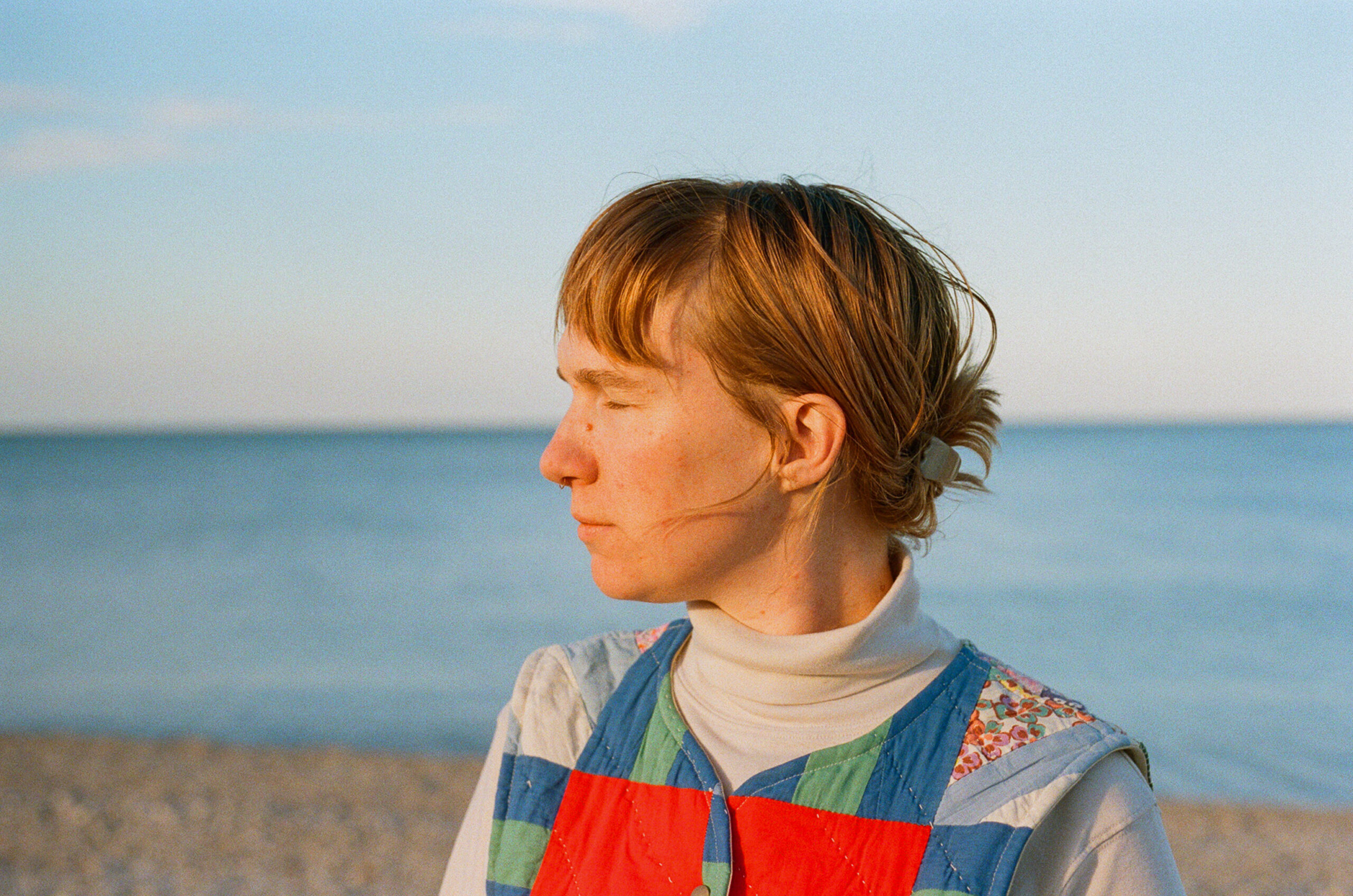
I’m thrilled to welcome Cody Cook-Parrott as my first guest on Honing In.
In today’s episode, Cody and I chat about many things, including:
Resources Mentioned
If you’d like to learn more about my work, check out my website and download my free Sustainable Productivity Planner.
Transcript
Kate Henry [00:00:00]:
Welcome to Honing In, a podcast for creative thinkers where we’ll hone our skills, explore our passions, and nurture our dream projects into being. Hi, everybody. Welcome to Honing In. I’m doctor Kate Henry. And today, I am thrilled thrilled to have my first guest on, Cody Cook-Parrott. I’ve been a fan of Cody’s work for many, many years, and so it’s really special to have them on today. If you haven’t heard of Cody before, you really should check out their work. They’re really, you know, a multi hyphenate and are a teacher, an artist, a dancer, a quilter, a scholar, and I’m just really thrilled to be able to talk to them today about their creative projects.
Kate Henry [00:00:54]:
So welcome, Cody.
Cody Cook-Parrott [00:00:56]:
Thank you so much, Kate, especially the addition of scholar. I feel so I’m like, oh, yeah. I’m in grad school studying to I am I am a I am currently a scholar, So I love getting to hear my own introduction. That’s so sweet. Thank you.
Kate Henry [00:01:13]:
Of course. Yeah. And, I mean, even before you were doing that MFA right now at Naropa, like, you’re already doing public scholarship and sharing things and publishing. Right? Like, all of that writing really counts even if it’s not with an MFA or a PhD or something behind your name. So just to shout out public scholars right here, it’s real.
Cody Cook-Parrott [00:01:34]:
Yes. Thank you. I love that.
Kate Henry [00:01:35]:
Yeah. Of course. To get us started, so the focus of honing in, I’m talking to creative thinkers about their projects. And the purpose for that is so that listeners and myself and you can sort of reflect on that and, you know, glean some helpful things to help us move forward. So to start out, I’d love to hear what your take is on projects or creative projects. What’s your experience been like? When do you like it? When has it caused stress? You know, sort of an open question for you just to hear about your experience and perspective on projects.
Cody Cook-Parrott [00:02:13]:
Yeah. The first thing I think of is my Notion dashboard where I organize my projects, and I really think of them as containers. Like, I think, like, containers and projects is sort of interchangeable language for me. But, like, so many of my projects are really, like, work related. I really see my work as a series of projects. Like, to me, my newsletter is a project. Like, even though I send it out every week and it’s it’s my job and it has all these other sort of, like, names or facets of it, it’s like, that’s a project. It’s like or I’ll say, like, a project I’m working on is a book right now.
Cody Cook-Parrott [00:02:58]:
You know, I definitely think of working in projects as it’s the only way any of it all makes sense to me. And I love you know, I really draw from the, like, Twyla Tharp imagery of, like, her having, like, a shoebox for every project she does, and then she, like, fills the shoebox with, you know, magazine clippings and tape recordings and cassettes and, like, any, like, ephemera or material that she’s working with for that project. So when she’s, like, making moving out with Billy Joel, she’s, like, throwing things in the box that, like, relate to that project. And so, yeah, I think that’s a big part of how I see at least the organization of projects is, like, I have them in my Notion dashboard. And then I usually also, like, have in my notes app, like, on on my computer, I have it it sort of mirrors. It’s like the same projects are sort of lined out with folders because I like to do quick notes there as well. I’m actually while we’re recording this, I’m about to switch from not using an iPhone anymore, and I’ll have to report back on how that’s going.
Kate Henry [00:04:07]:
Woah.
Cody Cook-Parrott [00:04:09]:
Yes. Yes. I’ll be using something called the Wise Phone, which is basically an Android that that doesn’t have social media, email, or a web browser, but still has, like, Spotify and Lyft and Audible and my Oura Ring tracking app, kind of these other little things. So, yeah, I am about to sort of switch how I I think I might be leaning into Notion a little bit more because they have Notion on that phone, but they don’t have, like, the Apple Notes app. So that’s what comes up for me when I think of projects.
Kate Henry [00:04:44]:
Oh, that’s brilliant. 2 things I wanna follow-up about with that. 1 is to thank you for talking about using that object brick, which I have been using it, and it’s I’ll leave it on for, like, 8 hours at a time. And then I will turn it off and, like, just check Instagram and get so engrossed that, like, my spouse will ask me a question, and I, like, literally won’t hear them. They’ll be like, Kate, did you hear me? And I’m like, no. I’ve been, like, bingeing Instagram for a half hour. It’s so wild. And I’m which is like you know, that’s my own journey with, like, checking Instagram once a day.
Kate Henry [00:05:22]:
But it just it was so curious for me to be like when Brick was like, absolutely. You have to focus on work, or, like, I have one at a thing for the Brick at night for, like, my social time where I’m like, the things you can and can’t do on the phone at night. But, anyways, it was just very curious for me to be like, woah. I really go hard for Instagram when the brick is turned off, and, like, that was just some helpful information for me. So thanks to you for shouting that out.
Cody Cook-Parrott [00:05:48]:
Yeah. I’ve really enjoyed using it, and it’s not enough for me. Like, I still I think kind of in that same way, it’s like I’ll turn it off, and then I’ll just be on my email on my phone without being able to, like, stop really. And so I’m interested to see how the Wyze phone goes. And if if it’s too inconvenient, I might have to go back to the the iPhone and the brick pairing. We’ll see.
Kate Henry [00:06:12]:
I look forward to hearing about this experiment. So my second thing that came to my mind is, I know you’ve done a lot with the concept of practice. So I’m curious for you if the framework or idea of something being a project feels similar to or different to or in relationship to the idea of a practice.
Cody Cook-Parrott [00:06:34]:
Yeah. I love that. I feel like maybe the 4 words that I find somewhat interchangeable are, like, project, container, practice, and experiment. Like, that framing kind of helps me with any of them. It’s like, all of my projects are experiments. They’re all part of my practice. Like, experimentation is a part of my practice. And it it’s interesting because back to, like, sending a weekly newsletter like that is a practice.
Cody Cook-Parrott [00:07:04]:
Like, it’s a project, and it’s a practice. And the book that I’m writing right now is all about practice and and is about, you know, attention and practice. And it’s really about how we turn towards creative projects to reclaim our attention. And so it’s it’s interesting. It’s like when I think of us, you know, turning the brick off our phone or, like, going towards email or going towards Instagram or something, it’s like, my question to myself is, like, what could I be reaching for instead? And, like, how to build that practice, whether it’s, like, reaching for knitting or watching a documentary or drawing or quilting or dancing or going out with friends. It’s like, I think instead of restricting myself lately, my own practice is like, what can I replace some of this behavior with, which has been really helpful for me? But, yeah, I I tend to name a lot of things something practice. Like, the first project I ever named with that word was my dance project, personal practice, where I made a dance video every day for a year and then kept using it. But, you know, I was thinking of you the other day because I deactivated all of my Instagram accounts, including personal practice, which I need to, like, brainstorm another place for that archive because I don’t want it to die, but I don’t want a trace of myself on Instagram.
Cody Cook-Parrott [00:08:41]:
And so I’ve been thinking about, like, what is, like, the queer archive of personal practice and where does it exist? So we’ll see.
Kate Henry [00:08:50]:
Oh, yeah. It could exist so many so many places. Cody and I have been talking about I’ve been working with them in creative advising to talk about queer archives, which is what my PhD research and just personal fascination is in. I’m like, oh, could it be a flip book? I don’t know. There’s so many things it could be. Right? You know?
Cody Cook-Parrott [00:09:08]:
Like You are not you are not the first person to recommend a flip book. It years ago years ago, someone was like a flip book where it, like, changes and you’re moving. And I was like, wow.
Kate Henry [00:09:21]:
I love this. It’s not just a data point of 1 then. Okay. Excellent. So you mentioned 2 thinking about, like, the book that you’re writing. So I’d be curious. Let’s shift and think a little bit around the different projects of writing because I’ve read many, many of your books and both the self published and both published with, like, more what we might call, like, a more traditional press. And I’d be curious to hear what your experience has been, like, doing those different projects And, like, how has it been similar? Has it been different when you’re doing things more on your own or with a team of folks you hire to edit or do book cover like I know you did with Look About You or when you’re working with a team at a press?
Cody Cook-Parrott [00:10:04]:
Yeah. You know, the biggest difference to me is distribution. You know, a big five publisher will put your books in every store possible. You know, that’s like how to not always be working within Barnes and Noble and, Target and, you know, these big box stores and every bookstore imaginable. You know, that’s that’s the power of the publisher is is the distribution. To me, in terms of marketing, I haven’t had, like, amazing experiences working with a publisher. Like, I feel like it’s really falls on the author still in in many cases. So, you know, I try to tell people that when they’re deciding between self publishing or, you know, going with a press or a publisher is is just to know that, like, even really good independent type presses, you’re still really pushing your own marketing campaign.
Cody Cook-Parrott [00:11:06]:
It’s like it it is one of those, like, nobody cares about the thing as much as you care about the thing. And a publisher will care. I mean, yeah, I have I had sort of not that pleasant experience with my last book, so getting to center that is. And so I I just felt felt like it sort of, like, fell through the cracks of being kind of a small fish in a big sea at Harper Collins, and so I’m really, really excited. My next book is what sounds true, which to me is kind of like the dream size. It’s like it’s not a small press, but it’s not a major publisher, you know, but they’re still a big deal and, you know, they and they have the the distribution power behind them of the big five. And so that’s been an interesting transition that I’m really excited about and really excited to be working with them. And and self publishing Look About You was, like, exactly what that book needed to be.
Cody Cook-Parrott [00:12:05]:
Like, I needed to write it on my own time. I wanted a 100% creative control, and it felt amazing and sold, probably I’d have to look again, but almost a 1,000 copies, which for a little self published book in a couple months is pretty dang good. You know, maybe maybe around 7 or 800 is is a little bit closer. But, you know, I feel like it just speaking of and this sort of is interesting and makes me think about, like, going back to, like, what’s the difference between, like, a project, a practice, an experiment, a container is like, yes. I did want Look About You to make money, and I’m happy to share that, you know, it has made money. But it’s also, like, when I self publish for me, I tend to also, like, have a little bit of detachment from the monetization process. Like, I’m also like, okay. Like, this will make some money, but I’m still usually pretty focused on, like, my teaching and facilitating my writing group.
Cody Cook-Parrott [00:13:12]:
And, yeah, it’s it’s not it doesn’t quite make enough money to take, like, a full break from everything else, and I find that to be true with my next book as well. So that’s that’s also always part of the navigating. It’s like, where is money coming from? Does this project make money? Do I want it to make money? Like, I’m always asking kind of some of those questions. So
Kate Henry [00:13:35]:
This is fascinating. Like, it it also makes me think too. Like, I have an MFA in poetry, and I remember when I was in the the degree, like, it was really this marker of success if you had published a book, if you had published a book of poetry. Like, people who had been writing poetry for, like, years years, like, they would just feel terrible if they hadn’t had a book out with a press. And, like, I did have a book come out with a small press, a a book of poetry, and I do remember being like, well, I made it. What do I do next? I guess I’ve I’ve come I’ve risen the onto the top of the poetry ladder. You know? Like, it’s just it was like this interesting feeling of, like, well, I’ve done the thing everybody commits. You know? And then I with my work, like, I pub I self published a book.
Kate Henry [00:14:21]:
Like, I worked really hard to, like, work on a book proposal and then decided to let it simmer on the back burner and chose to self publish instead, which went really well for me because I’m really good at project management, and I had just finished a dissertation. Like, it was really it felt good. But I remember that was something too that felt like a professionalization for me. And I also think tons of people who read my book are, like don’t know that it was self published or published with a press. Like, I I I think that’s something that, like, perhaps we as the writers, maybe there there’s some sort of, I don’t know, weird I don’t know quite what the word is, like competition, like white supremacist perfectionism, like something around, like, this has to be with a big five press or I’m not gonna publish it at all versus, like, no. Everyone, go self publish your book. I wanna read it. Right? Like, I’m curious what your thoughts are too because I think, like, you, with Sounds True, is, like, you’re gonna fit so well with the awesome books that they publish.
Kate Henry [00:15:19]:
Like, that’s a great home for your book. Right? So I’m curious what your thoughts are as well around, like, that I don’t know. Like, did you feel different doing self publishing versus publishing with the press?
Cody Cook-Parrott [00:15:31]:
Yeah. I’ve self published 3 books now, and, you know, I really do I I I do hire a team around it. So and especially this time, I even got, like, blurbs, which I had only ever done for books with a publisher, and that was so, like, professional. Like, if you were to look at my book, why would you know it was self published or published by someone else? Like, it’s got a about me on the back with an about the book and blurbs from people and, you know, professionally designed, professionally edited. You know, it’s it’s and that’s where I really like to throw in, like, the major difference is, like, if I wanted that book in stores, I had to really push it and email people and get it into the bookstores I wanted it to be in. But otherwise, yeah, I always tell people to self publish books. I mean, yeah, we want your book. And the the website that I used IngramSpark makes it just really, really easy.
Cody Cook-Parrott [00:16:31]:
You know, there’s so many print on demand websites that just make it really easy. And, of course, like or or touching base with, like, a local print shop. You know? It’s, you know, they’ll usually make it really easy for you too. So I love that part of self publishing that you you get to really pick your team like you pick your editor and your designer. And yeah, I think the other thing that I loved was how fast I can do it. Like, usually with publishing, more traditional publishing, the process is 1 to 2 years of, you know, the first draft and then editing and then getting the the book cover. And with look about you, it was like, it was 6 months, you know, pretty much of writing it and having it designed and edited and everything. So, yeah, and the last thing I’ll say that really worked for me was, you know, having the cover designed and posting it a few months ahead of time for preorders didn’t just help have money coming in.
Cody Cook-Parrott [00:17:35]:
That gave me a deadline. It was like, okeydoke, and it’s coming out this day, and I have to send it in by this day to get the copies, and I have to get it to Jacqueline to edit by this day to get it to you know, it just by doing by working the math backwards and then posting it publicly the day what day it was gonna come out, that provided some of that, like, project management that you were talking about. Like, I was able to kind of access that by setting the publication date.
Kate Henry [00:18:07]:
Yeah. Like, putting on my, like, productivity scholar hat, like, that makes so much sense to me that you’re like, okay. Like, when the deadline is just some arbitrary future thing, there’s no reason to focus your attention. Right? So I imagine that really helped you to get really clear on what you had to do. So I’ve heard you talk before about how you wrote parts or maybe all of Look About You in your landscapes writing group. And I recently joined landscapes. It was important for me to join because I do have this queer archival project where I’m building a website with my to make my dissertation research accessible, free without academic jargon, and I’m gonna do that work in landscapes. Like, landscapes is is gonna be my container just to do that, and I’m really thrilled.
Kate Henry [00:18:55]:
So could you tell us a little bit more about landscapes, like the community of it, the co working space of it, and how you know, why you decided to to start it?
Cody Cook-Parrott [00:19:07]:
Yeah. I love landscapes. It’s really, like, just my favorite place. You know, for years, I ran a digital co working space called Flexible Office. And then when I started my MFA, or it was actually leading up to starting it, I was like, you know, I really want a co working group still, but I want it to be centered around writing, specifically. And and people work on you know, we’re still all a very flexible office type of group. Like, people are definitely, like, doing laundry and cooking today. You know, like, people are, you know, doing whatever they need to do.
Cody Cook-Parrott [00:19:45]:
I always say, like, either work on your writing or something that supports your writing life, which is literally anything. And so we meet every Tuesday Thursday from 11 to 1 EST. That’s sort of our, like, main gig. And then we have a visiting writer that comes every month. And then Brandy Cheyenne Harper, who I actually just had them on Common Shapes, my podcast, and we talk a lot about self publishing verse publishing because she had a knitting book come out with a more major publisher and then decided to self publish her next book with the option to have published again with them. So I think it’s really interesting, like, that’s just a great example of, like, oh, yeah. People are, you know, choosing self publishing. It’s it’s not like kinda like we were even the scholar comment.
Cody Cook-Parrott [00:20:34]:
It’s like self publishing isn’t just for people who can’t get a book deal or something. It is, like, it is a it is a choice. But I mentioned Brandy because Brandy facilitates a BIPOC writer’s circle on Zoom once a month, and then there’s a space in it’s hosted in Mighty Networks for BIPOC writers. And then we have all these other spaces. So it’s like parents, talk about money, talk about newsletters, you know, talk about all sorts of things. And we have cave days where we where we write for 4 hours, and then a lot of the times, we also meet at 5:30 AM EST because that’s when I like to get up and write. And so, yeah, it’s it’s a writing group for all genres, and people work on all sorts of different things. There definitely a lot of novelists in the room, which is really cool.
Cody Cook-Parrott [00:21:23]:
A lot of poets in the room, and then a lot of people who are working on their newsletters or the copy for their business. So it’s not just for people who are like, I’m a writer’s writer. It’s very much for people who integrate writing into their other projects and work.
Kate Henry [00:21:41]:
I felt that when I’ve attended some recent landscapes meetings. And I was also really impressed, which, of course, folks like, you don’t have to finish things in the space of a coworking or cowriting space, but I was really thrilled that so many folks were like, I hit my goals today. I finished this thing today. I’m ready to send this off, which is like the magic of body doubling. Right? Like, it just, like, increases our focus. It gives us that accountability. So that was also really exciting to see that folks were getting shit done as well. Right?
Cody Cook-Parrott [00:22:12]:
Yeah. I mean, people I’ve watched people in landscapes get agents and get book deals and hit send on their first newsletter or a lot of quitting. We do a lot of quitting in landscapes. People quit their jobs. People get new jobs. You know? It’s a it’s definitely a place where very it’s a very brave space. Like, it’s a there’s a lot of big brave work that happens in landscapes, and I think that’s part of why I love being there so much. And, yeah, it’s really special.
Kate Henry [00:22:44]:
Just to shout you out as well. Like, you are being there, but you’re also facilitating a space in which people can do that. Right? So your thank you for for doing that. Yeah. I love landscapes. I can’t wait to see what I do in landscapes this year. Same. Same.
Kate Henry [00:23:01]:
Who knows? It’s gonna be amazing. So we just talked about landscapes, and I would love for you to talk a little bit more about how you’ve shifted your additional offerings as well recently. I know that you’ve shifted and expanded beyond simply just creative advising to this larger offering called center where you have multiple things. And I know you have a whole episode on common shapes where you talk through your reasoning behind this and really break it down. But I’m curious to hear, like, do you feel like this is a like, was the process of shifting this a project for you, and how are you feeling about the different offerings that are now under that center umbrella?
Cody Cook-Parrott [00:23:42]:
Yeah. I feel it’s interesting. Sometimes I just have to, like, invent things to do them to just, like no. I don’t wanna say to have something to do because I have plenty to do. But it’s like, there was something about creating that set of 1 on 1 offerings that just clarified for me what I want to offer. And I I will say as as the experiment of it all, most people still just book a 1 hour creative advising session. It’s the classic. It’s what works.
Cody Cook-Parrott [00:24:16]:
It’s what people want. But I have had 2 of the deep dive calls where we it’s basically just creative advising for 2 hours, but then I make, like, a very beautiful Google Doc for them as well. And those have been really cool. Like, that it reminds me a little bit of landscapes in that, like, you can get a lot done in an hour, but in that 2 hour session with the added, like, document that really outlines next steps and things, I’ve really seen people, like, implement that work that we do in the Zoom room together. And, yeah, I you know, the big off I invented it because I invented the celestial plunge, which is where someone comes to my house for a couple days, and we, like, dig in to their projects together. And I cook them dinner and give them this, like, beautiful retreat, and we do creative advising for a whole weekend. And so no one has booked that, which it it’s a big investment, and it was a big shift to be like, will someone do this? I think I need I’m just I’m just working this out live on this podcast in my head. I think what I need is, like, a formal, like, example of it.
Cody Cook-Parrott [00:25:39]:
Like, I I feel very confident that it will work, but I haven’t done it with someone and, like, we’ve called it that. And so it’s like, I’ve I’ve hosted, you know, dozens of residencies for that much longer than that. And but I think I might need to, like, invite a friend or 2 to be like, okay. I’m gonna gift you the celestial plunge so that I can, like, document it and have kind of, like, a case study or something. But, yeah, that’s my real my real goal was, like, I think I just wanna be moving towards more in person work this year. I don’t fully know how or what that looks like, but that was a part of it. It was like, I want to do creative advising, like, in my home, like, at my dining room table, like, with the person. And so we’ll see if anyone listening wants to do the celestial plunge.
Cody Cook-Parrott [00:26:31]:
I’m ready for you. So
Kate Henry [00:26:33]:
Oh, yeah. Please do, folks. Like, I’ve I’ve worked with Cody with creative advising both, like, you know, 6 years ago and now, and it’s amazing. So I can only imagine how rich and holistically helpful that amount of time doing this would be. Yeah. That’s thrilling. I don’t know if we talked about this before, but I’ve been, like, really feeling this, like, desire this year to just, like, retreat into the woods and, like, not be online and just, like, post things on, like, the corkboard at, like, the small local co op and, like, that’s how I run my business. Right? Like, I’ve been, like, really feeling that vibe, but I feel that with thinking about the celestial pot plunge where it would just be, like, such a presence, like, a experience of being present.
Kate Henry [00:27:25]:
Like, do you did you are you feeling that vibe as well?
Cody Cook-Parrott [00:27:29]:
Oh, yeah. I mean, this is I mean, a huge project I just did was migrating my newsletter list from Substack to button down and leaving Substack. And I you know, much respect to Substack for being an amazing resource for me for many years and really championing my writing and career, but I it just for me, I just could not separate the social media vibe of it all. Like, the check mark, the follower count, the subscriber count, the public feed, the notes, like, it I was just, like, no. Like, no. Like, I refuse. Like, I I have an email newsletter to not look at this shit, period. Like, that is why I have an email newsletter is to never see stuff like this.
Cody Cook-Parrott [00:28:19]:
And so, yeah, I mean, I am fully with you on, like I mean, my life is you know, I’m staring out into the woods right now. You know, my life is sort of a retreat into the woods, but I’m I’m online a lot, you know, for my job. And so I’m definitely thinking about the corkboards and the yard signs. I’ve been talking in my newsletter for, like, a year and a half now about a roadside stand that I want to have, and I think it might be almost like a roadside stand art gallery free store or something? Like, I don’t fully know. Like, I think it’s gonna be less of a shop and more of, like, a free resource or something and maybe have its own corkboard. The roadside stand corkboard.
Kate Henry [00:29:10]:
I love this. Yeah. There’s just something about the corkboard vibe. Like, when I would go to, like, oh, the acupuncturist or, like, even just like the local co op or something, and I don’t have that vibe. Like, I live right outside of Boston in the city and, like, you know, really am missing, but the woods for that. Yeah. And, also, your your new email, like, on the button down, like, it looks excellent. It’s great.
Kate Henry [00:29:33]:
You know? It’s like, what a seamless I’m sure that behind the scenes, it was a lot of work and phone calls and things like that. But, like, as the receiver end of it, it was, like, see seamless on my part. So
Cody Cook-Parrott [00:29:46]:
That is so good to hear. Yeah. Huge huge shout out to Button Down. Like, just Justin, the founder. I mean, he’s who I met with twice to go over everything, and he you know, our calls were, like, scheduled for a half hour. He stayed on for an hour both times. I mean, just such a cool company, like, way more in line with, like, my values and, specifically, my values around tech and tech addiction, you know, and some of my other values as well, but we don’t have to get into that. But I just feel like they really made what could have been really hard really easy.
Cody Cook-Parrott [00:30:27]:
And I talked to a lot of different newsletter providers, like, subscriber or service providers, and they were not all gonna make it so seamless. So yeah. Well, this is thrilling.
Kate Henry [00:30:38]:
What a perfect, like, turn to
Cody Cook-Parrott [00:30:40]:
the new year thing for you to, like, start 2025 in that space. I really I I feel that. I I, like, needed that cut into the new year. So yeah.
Kate Henry [00:30:52]:
Yeah. I hear you. I do I am still on Substack for now. I’m not sure what I would do in the future, but I just don’t engage with any of the notes or the anything. I only have like, I follow a bunch, but I only, like, really read a few Substacks and engage. You know? Like, it it’s too much. And, like, as I mentioned earlier, like, Instagram like, I really just want Instagram so I can, like, follow ceramics and, like, slow fashion and, like, a couple of accounts that I really like. Right? Like, it’s the reason I haven’t gotten rid of Facebook is because there’s literally only 2 people 2 people in on Facebook who I want to follow, and I need to just get rid of it.
Kate Henry [00:31:35]:
Like, I’m like, these people will be fine. I wish they would just start newsletters so I could, like, hear what they and their kids are up to. You know? Like Yes. Yes. Yes. It’s it’s fine. We’ll see. We’ll see what 2025 holds for me with social media.
Cody Cook-Parrott [00:31:49]:
I can’t wait to see.
Kate Henry [00:31:50]:
Yeah. Well, recently, what I have been doing is just checking it once a week. Like, I’m just like, download it, look at it, and then delete it. And, you know, that’s fine. Okay. So I’ve been thrilled to hear you talk about things that you’ve got going on with work and going on with writing. And I know, again, productivity had on, like, the personal resources of our time, our energy, our focus, they don’t just go to work. They go to all of the other projects that are going on in our life.
Kate Henry [00:32:21]:
And I know for you, right now, that looks like grad school. It also looks like things at home. It also looks like potentially cross country skiing, you know, things that you’ve got going on. So I’d be curious to hear a bit about these other projects outside of work and and things that you’re really engaged in or curious about right now?
Cody Cook-Parrott [00:32:44]:
Yeah. You know, I’m I don’t think embarrassed is the right word, but I’m, like, I’m noticing I can’t think of very many outside of work right now, and that has sort of been like a like, problem feels maybe a little too dramatic, but I’m definitely in a space of, like, I need more nonwork related projects. And so that’s a huge goal for me in 2025. And one is there is a amazing horse rescue up the road from me that I plan to start volunteering at. And it’s sort of like a really amazing double whammy where it’s like they rescue horses and then, you know, rehabilitate them. They’re usually, like, traumatized or need just extra training, and then those horses visit with kids who are usually, like, maybe have autism or ADHD and just, like, need some extra or, like, foster kids, just like kids who are in need of some extra touch and healing. And then you also get trained to, like, do energy work on the horses, and it’s really it’s a it’s literally a 2 minute drive from my house. So when I found out about this place, I was like, oh my gosh.
Cody Cook-Parrott [00:34:08]:
So that’s an example of, like, trying to just, like, be more involved in my local community, and I recently thought about I’m laughing. It’s not that funny, but going to church, which won’t surprise people when I just wrote a prayer book. But, like, I’d I’m not a churchgoer, but Traverse City, the city next to this small town I live in, has, like, a really gay, radical, Unitarian Universalist Church. Like, I think the next sermon was called, like, defying gravity and fascism. And I was, like, oh, okay. It’s, like, cool. Thinking about maybe doing that. But, otherwise, yeah.
Cody Cook-Parrott [00:34:52]:
I think right now being in the midst of book writing, like, long form book writing and grad school, I’m just a little bit like, oh, oh, I am reading a really beautiful hiking memoir by Heather oh, no. I’m not gonna her hike her hiker’s name is Anish, which is short for Anishinaabe, which is the which are the indigenous people here in Michigan, and her great great grandmother was Anishinaabe. And she basically holds the FKT records, the fastest known time records for, like, a shit ton of hikes, and this is about her setting the FKT for the PCT. I think she also has it for the Appalachian Trail. She has it for, like, the Arizona Trail and the Appalachian Trail or, you know, at some point, she had she had them all or something. I mean, she’s a a beast. And this book is I love walking, and I have some goals of hiking some longer hikes. And so just reading that book is really helpful to me.
Cody Cook-Parrott [00:35:57]:
It was actually, like, suggested to me by a friend who is a thru hiker, and we’ve sort of been doing this trading thing where, like, I was working on my money stuff. So, like, she read a book about money to kind of, like, help support me, and I’m kind of, like, reading this book to kind of, like, cheer her on kind of thing. And so it’s nice to just especially right now when I have a couple weeks off of grad school, it’s nice to do some non grad school reading. That has just nothing to do with yeah. Because I’m such a self help book nerd. Like, it’s so nice to read a book that’s just has nothing to do with anything else that I’m doing.
Kate Henry [00:36:35]:
Yeah. Oh my gosh. Also, what a, like, lovely act of care to, like, for for you each to read a book that is in each other.
Cody Cook-Parrott [00:36:42]:
Something that you
Kate Henry [00:36:43]:
just like pun yeah. Like, that’s really lovely. Yeah. There’s a UU church down the street from me that I’ve gone to a couple of Zoom sessions. I’m, like, really fascinated by, like I was raised agnostic, but I was like a you know, as an adult, I’m, like, really love learning about religion and spirituality. Like, there’s also, like, a spiritualist center near me that I’m like, I need to check this out. But I’m excite I’m really excited to learn more about that. But, yeah, when I went to the UU services on Zoom, I was like, this is great.
Kate Henry [00:37:15]:
It’s just like we’re, like, talking about, like, you know, like, white supremacy culture and how we need to, like, show up and hold ourselves more accountable. Like, it was not what I would have expected, you know, from I mean, I don’t I didn’t know what to expect because I was a newbie. So, anyways, I think that could be a cool thing for you to do. I’m excited about the stuff that you’ve got going on. And I know also that you’ve had a particular research project that you’ve been doing with grad school and that you’re gonna be offering a course in the future about that. Do you wanna tell us a
Cody Cook-Parrott [00:37:45]:
little bit about that? Yeah. Sure. For my final presentation in my 1st semester of school, I did a project on the poet Joanne Kyger, who when I moved to the Balinas Point Reyes area in 20 18. She had just passed away and or wait. 2017. Sorry. And we so our, like, spirit sort of crossed paths, and she was like, dear friends with the librarian in Balinas who then ended up being my landlord. And so there was this sort of we had this sort of, like, cosmic turning of of space in that way, and then I found her poetry and just totally fell in love, and she was a huge part of shaping the Jack Kerouac School at Naropa, where I’m getting my MFA.
Cody Cook-Parrott [00:38:35]:
And so, yeah, I just Naropa has an amazing amazing digital archive that is just like workshops from the seventies, eighties, nineties. Like, you can listen to her from, like, decade after decade and teaching, and I got really into her journals. And so I developed this class called the Tapestry and the Web Journaling as a Contemplative Practice, and the Tapestry and the Web is the name of one of her poetry books. And I am teaching it in March, so if you wanna take a writing class with me, come come on over. And, yeah, I’m really excited. I it was such a just luxurious experience to, like, listen to these class recordings of hers, and she did this amazing residency at the Center For Experimental Television and, like, made all these weird videos and a really serendipitous this is where the world is so beautiful. I had I had just barely mentioned I was working on a project about her in one of my newsletters, and a reader responded to me. And her dad was the person who made the videos at the center for the the experimental television.
Cody Cook-Parrott [00:39:53]:
And she was like, my dad made those videos. Like, Joanne was like a old family friend of ours. And she was like, I’ll never forget the last time I saw her. She, like, gave me an orange and and waved us goodbye, and it was just I was like, oh my god. This is so cool. Like, it’s just so fun to see where, like, the research brings us and who it brings us to. But, yeah, it was, you know, at first, I didn’t speaking of, like, projects and monetizing, it’s like at first, I I was glad that I entered the research research space not knowing I was gonna, like, turn it into a class for my job or something. Like, it was nice to just be, like, I’m just doing this for school.
Cody Cook-Parrott [00:40:36]:
I don’t know what it’s gonna be for. And then it quickly became clear that, like, everything I learn everything I’m learning, I need to turn into a class for better or worse. And so, yeah, that’s my little Joanne Kyger research project turned into a class that happens in March.
Kate Henry [00:40:53]:
Oh my gosh. I can’t wait to take this class. Also, yeah, there is just something so magical about, like, really knowing I don’t really getting, like, developing such a special heart, psychic relationship with someone that you’re studying. Like, in in grad school and my PhD, like, for years years years, like, all I did was study the work of Lisa Ben, the woman who wrote the first lesbian magazine in the US, and just, like, what I’m gonna be doing in landscapes this year is just I have photos of, like, pretty much everything in her archive, and I’m just gonna, like, comb through every single thing and just, like, spend time with it in a way that’s not like, I don’t have the urgency of, like, well, I have to write my dissertation. I have to do my comprehensive exams. Like, this is just gonna be, like, know everything about it. And it’s it’s cool. It’s cool to, I don’t know, just have that focus and get to know someone and, like, be able to take the time with it.
Kate Henry [00:41:52]:
So that’s so thrilling. Well, I’m excited to hear about you know, because the focus of this is thinking about honing in on our projects and our our personal interests, what is something that you are honing in on right now? And interpret that however you like.
Cody Cook-Parrott [00:42:11]:
Yeah. I think I’m really honing in on, like, closing my computer. That’s the first thought I had was just, like, just not even working less, but working more efficiently. Like, I really tend to just kinda have my computer open while I’m doing other stuff and checking emails and doing whatever. You know? And I I really feel like I’m honing in on, like, what is my nonwork time, and what is my school time, and what is my relaxation time. And, you know, I generally get up and start working at 5:30, and then sometimes don’t stop taking calls and doing work until 4 or 5. And then the other day, it occurred to me that was 12 hours. Like, I I I wasn’t you know what I mean? I wasn’t, like, I wasn’t in my head, I wasn’t like, I’m pulling 12 hour work weeks.
Cody Cook-Parrott [00:43:04]:
I was like, well, people end at 4 all the time. And I’m like, well, they don’t start at 5:30 in the morning. Like, what happened was I realized that my brain is the best from 5:30 to 7:30. So that’s when I really wanna use it for my writing time, but then I didn’t adjust the end of my day. Like, I kept taking creative advising calls or Zoom calls, and so I’m really honing in on, like, what hours are for what tasks and ending the workday earlier.
Kate Henry [00:43:33]:
Oh, totally. Yeah. This is, like, you know, like, some productivity scholars would call this your, like, prime brain focus time or whatever. You know? Like, I’m sure there’s, like, some sort of weird eugenic y way of thinking of that, so use whatever phrase you prefer. But, like, this you know? Like, for me, I feel like it’s, like, 10 to 12, you know, which is great. It aligns with landscape’s time for that. I am so on board for you closing the computer and stepping away from it. And, like, at night, I plug on I plug in my phone upstairs in my office where we’re recording this and just go downstairs and don’t look at my phone.
Kate Henry [00:44:10]:
And, like, I remember last year when I had stopped wearing an Apple Watch, and I was like, this is amazing. Like, the further and further I can get away from any sort of tech stuff is so magical. Alright. Well, this is so exciting. I just such a fan of your work. This is just such as I said at the start, like, such, like, a beautiful full circle moment. And I would love for you to share with us. Like, I know you’re codycookparrott.com.
Kate Henry [00:44:36]:
But do you wanna share with folks where they can follow you, like, things like that, where they can hear more from you?
Cody Cook-Parrott [00:44:43]:
Yeah. The the best way is to subscribe to the newsletter. So, yeah, if you go to codycookparrott.com/newsletter, that’s the best place. And then listen to Common Shapes, my podcast, which one of the most popular episodes is called the art of newsletters. I wanna say it’s episode 4 or 5 or something. There’s not that many episodes. It’s not that hard to find. But I definitely, yeah, follow Common Shapes either on Spotify or Apple Podcasts that’s or or whatever podcast network you subscribe to.
Cody Cook-Parrott [00:45:14]:
And, yeah, those are those are really my 2 main streams right now. Is is, you know, no more Instagram, no more substack, so you gotta hit subscribe on the newsletter or or just bookmark my website. I just made it my website. The home page now says, like, all of my upcoming events and things, and so it’s it’s been an exciting time to, like, do some world building in the website era. And my my my website is becoming more of, like, of an archive and a placeholder and, like, a place for the things to really live. So I’m excited to see what how the website keeps kind of transforming. But, yeah, let my newsletter comes out every Monday, and it comes out every other Friday for paid subscribers, and common shapes comes out every Wednesday. Excellent.
Kate Henry [00:46:06]:
Yeah. And your new website, the landing page looks really good. When I saw it, I started an email to you. I was gonna be like, Cody, this looks really good. And I was like, you can wait. Just tell them when you see them. You don’t need to send them an email to be like, your website looks great, but it’s in my draft somewhere.
Cody Cook-Parrott [00:46:20]:
I love that. I love that. Yeah. I I got really into, like, a lot of the people who, like, work at arena. The I don’t even know what you’d call arena.
Kate Henry [00:46:30]:
An online bricolage sort of,
Cody Cook-Parrott [00:46:33]:
like Yeah. Yeah. It’s it’s really like Pinterest for designers with no images. Less wait. Well, there’s a lot of images. There can be images, but it’s very text based organization. A great place to organize projects in many ways. But a lot of the people who, like, work at Arena or designers there have very similar, like, very cool, very minimal websites, but that have a lot of information in them.
Cody Cook-Parrott [00:47:01]:
And so that was kind of my inspiration for mine, and, yeah, I’m excited about where it’s going.
Kate Henry [00:47:06]:
So Nice. Excellent. Well, thanks again, Cody, for taking some time to talk to us today.
Cody Cook-Parrott [00:47:11]:
Oh, thank you, doctor Kate. This was absolutely lovely. I love when people make podcasts. It’s so fun. So congratulations. I’m happy to be here and happy to have done this together.
Kate Henry [00:47:24]:
Aw, thank you. Well, I will see you later today in landscapes. Yay. Thanks so much for joining me. You can learn more about honing in and my work as a productivity coach on my website, katehenry.com. Take good care.
Newsletter
Sign up below to access my free newsletter, Tending with Dr. Kate Henry.